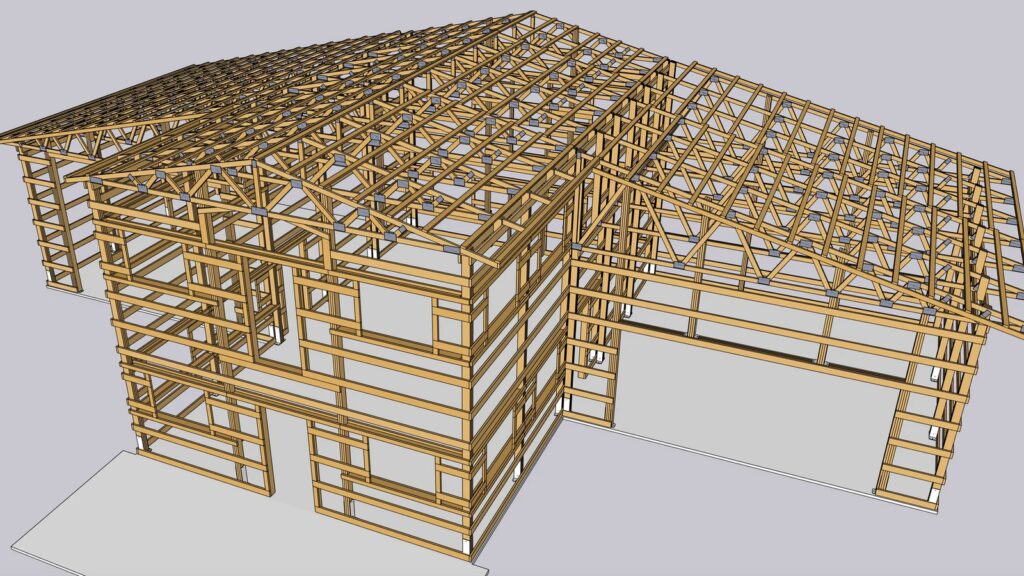

Homeowners mix these up constantly. They hear the house is worth $500,000 and assume that is what it costs to insure. Wrong. Different number, different job.
Need the broader insurance context? Start with the Homeowners Insurance Guide.
And if you are really trying to understand claim payout math, read Actual Cash Value vs. Replacement Cost. That is the comparison that decides how much depreciation pain you actually eat after a loss.
Quick answer: Market value is what a buyer might pay for the whole property in the current market, land included. Replacement cost is what it would cost to rebuild the structure with labor and materials after a loss. Insurance usually cares far more about replacement cost than market value.
| Category | Replacement cost | Market value | Why it matters |
|---|---|---|---|
| What it measures | Cost to rebuild the house | What buyers pay for the property | These are solving different problems |
| Includes land value | No | Yes | Land can make market value much higher |
| Main use | Insurance coverage planning | Buying, selling, appraisal, equity | Using the wrong number causes under- or over-insuring |
| Driven by | Construction labor, materials, local rebuild cost, home features | Comparable sales, location, demand, schools, lot appeal | Different inputs, different outcome |
| Can be higher than the other? | Yes | Yes | Either one can be larger depending on the market |
Replacement cost is rebuild math. Market value is buyer math. Confusing them is how owners misprice insurance and misread equity.
Use replacement cost when setting homeowners coverage. Use market value when selling, refinancing, or measuring equity. The two numbers can be far apart because land value, labor cost, code upgrades, and local demand move differently.
This is not a subtle distinction. One number protects the structure after a loss. The other reflects what a buyer would pay for the whole property. Use the wrong one and the decision breaks fast.
Scenario picker
Set insurance correctly
Best for: you are reviewing dwelling coverage or comparing policies
Why it wins: Start with realistic rebuild cost, not your home’s likely sale price.
Track sale or equity value
Best for: you care about refinance, pricing, or net worth
Why it wins: Market comps and appraisal logic matter more here.
Fix mixed-up assumptions
Best for: you keep expecting the numbers to match
Why it wins: They often should not, especially where land or labor costs dominate.
Replacement cost vs market value
| Decision point | Replacement cost | Market value | Usually better |
|---|---|---|---|
| Measures | Cost to rebuild the structure | What buyers pay for the property | Use the metric that matches the decision |
| Includes land value | No | Yes | Market value for sale, not insurance |
| Driven by | Labor, materials, code, finish quality | Comps, location, demand, lot appeal | Different engines, different number |
| Best use | Homeowners coverage planning | Sale, refinance, equity | Never swap them casually |
| Main mistake | Using sale value to set coverage | Using rebuild cost to argue price | Wrong number, wrong job |
Worked decision paths
Hot location with expensive land
Call: Market value may run much higher
A great neighborhood can inflate sale price far beyond rebuild cost.
Soft market with high labor and material costs
Call: Replacement cost may run higher
Weak buyer demand does not make contractors cheaper after a loss.
Older custom home
Call: Replacement cost can surprise owners
Matching materials, code, and finish quality can drive rebuild math up fast.
Risk and reward cards
Using replacement cost correctly
- Better coverage targeting
- Less chance of underinsurance
- Cleaner policy review decisions
Replacement-cost risk
- Old estimates go stale
- Code upgrades can widen the gap
- Ignoring ordinance/law coverage hurts
Using market value correctly
- Better pricing and equity decisions
- Cleaner comp analysis
- Useful for sale and refinance planning
Market-value risk
- Land value can distort insurance guesses
- Automated estimates can mislead
- Tax or Zestimate shortcuts are weak
Bottom line
Replacement cost protects the house. Market value prices the property. Keep them in their lanes and the decision gets much easier.
Best next move
Pull your dwelling coverage, compare it to a rebuild estimate, then pair this with replacement cost vs actual cash value and what affects home value before you change coverage or argue about price.
Best choice guidance: which number should you use?
- For homeowners insurance: start with replacement cost.
- For selling, refinancing, or tracking equity: market value matters more.
- For deciding whether your policy is safe: compare dwelling coverage to a realistic rebuild estimate, not just Zillow or your purchase price.
Worked scenarios: how the numbers drift apart
Scenario 1, hot neighborhood with valuable land: the home sells for $650,000, but the structure might cost only $420,000 to rebuild because a big chunk of the price is location and lot value. Insuring for market value may leave you overpaying.
Scenario 2, rural area with weak buyer demand: the property might sell for $280,000, but rebuilding the same home after a fire could cost $340,000 because labor and material costs stayed high while buyer demand stayed soft. Insuring to market value may leave you badly undercovered.
Scenario 3, older home with custom finishes: market value may be moderate, but replacement cost jumps because matching plaster, trim, masonry, or specialty materials is expensive.
Why homeowners get this wrong
Because sale price feels more real. You can see it on listings and appraisals. Rebuild cost is less visible, so people anchor to the market number and hope the policy is fine.
Mistakes that get expensive fast
- Using purchase price as the insurance target. That number includes land and market emotion.
- Assuming tax or Zestimate numbers help with insurance. Usually they do not.
- Never updating coverage after additions or major upgrades. A nicer house costs more to rebuild.
- Ignoring ordinance and law coverage. Rebuilding to current code can cost more than replacing what was there.
What affects replacement cost most
- Local labor cost and contractor demand
- Material pricing volatility
- Square footage and design complexity
- Roof type, cabinetry, flooring, and finish quality
- Detached structures and special features
- Current building code requirements
What affects market value most
- Comparable sales
- Location and school zone
- Lot size and usability
- Condition relative to competing homes
- Interest rates and local demand
The bottom line
Replacement cost protects the structure. Market value reflects what the whole property would sell for. They are not rivals. They are different tools. Use the right one for the right decision or you will misprice your risk.
Next step: Pull your current dwelling coverage and compare it to a recent insurer rebuild estimate. Then read Replacement Cost vs Actual Cash Value and What Affects Your Home’s Value? so you stop mixing insurance math with market-value math.
Sources reviewed
- National Association of Insurance Commissioners homeowners insurance guidance
- Florida Office of Insurance Regulation consumer insurance resources
- Florida Department of Financial Services insurance help resources
- Homeowners policy form and endorsement references
Official resources and reference points
This page is homeowner education, not a property-specific appraisal, legal opinion, tax advice, or lender/carrier instruction. Use these to verify the coverage language, complaint path, and Florida-specific rules before you act on a denial letter, underwriting scare, or policy summary.
Why this article is worth trusting
Caleb Hollis reviewed this page. He reviews homeowner education on home value logic, cost realism, Florida housing questions, and decision quality.
See the reviewer profile and editorial team profile for who does what. OwnerHacks publishes homeowner education, not property-specific appraisal work, legal advice, tax advice, lending advice, or insurance advice.
OwnerHacks updates articles when rules, costs, or homeowner decision factors materially change. If something looks outdated, use our contact page and we will review it.