
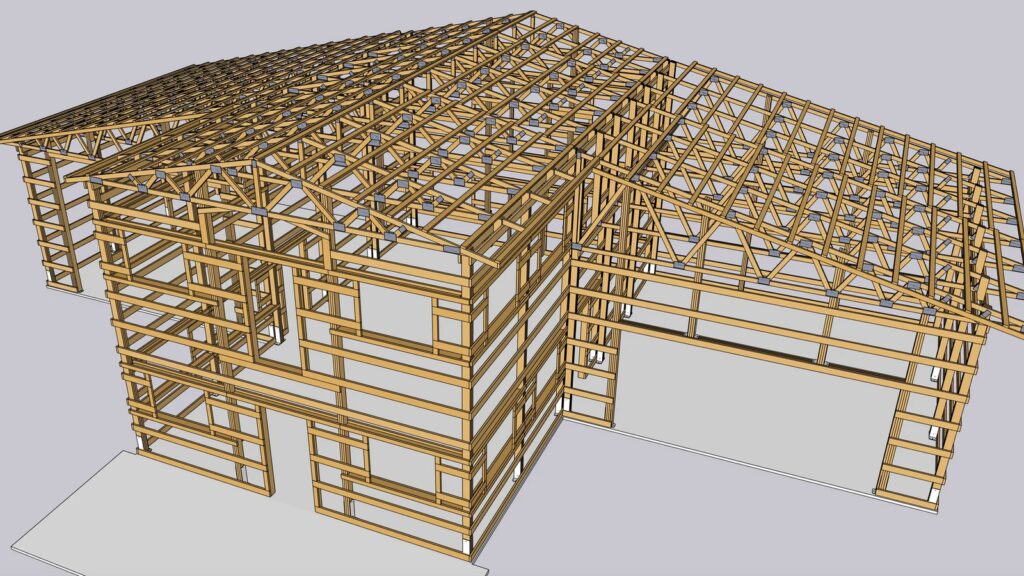
Quick answer: replacement cost in home insurance means the estimated amount needed to repair or replace damaged property with materials of like kind and quality, without subtracting for depreciation first in the same way actual cash value does. In plain English, it is the rebuild-or-replace math, not the garage-sale value.
Need the bigger insurance framework first? Start with the plain-English guide to what homeowners insurance covers.
| Question | Short answer | What decides it | Best next move |
|---|---|---|---|
| Does replacement cost mean market value? | No | Insurance covers rebuild cost, not resale value | Do not use Zestimate logic here |
| Does it always pay full rebuild cost automatically? | No | Coverage limits, endorsements, and claim rules still matter | Check dwelling limit and settlement wording |
| Is personal property handled the same way? | Not always | Contents may be ACV unless replacement-cost coverage applies | Read the contents settlement section |
| Can replacement cost still leave you short? | Yes | Underinsurance, code upgrades, and exclusions can hurt | Review ordinance or law and extended replacement features |
Replacement-cost decision route
- You are checking whether coverage is enough: compare dwelling coverage to a rebuild estimate, not market value.
- You are confused by claim wording: separate replacement cost from actual cash value first.
- You are shopping policies: look for how losses are settled, not just the premium headline.
Risk flags homeowners miss
- Replacement-cost language does not guarantee every upgrade or every category is fully covered.
- Inflation, code upgrades, and finish quality can make old limits too low.
- Low premium can hide weaker settlement terms or endorsements that gut the protection.
Decision route: what kind of replacement-cost question do you actually have?
| Your real issue | Start with | Why | Then read |
|---|---|---|---|
| You want to know if the house is insured enough | Dwelling replacement cost | The limit controls the rebuild conversation | How to Read Your Homeowners Insurance Policy |
| You want to know how contents are paid after a loss | Contents settlement terms | Replacement cost and ACV can differ by category | Replacement Cost vs Actual Cash Value |
| You are in Florida and worried about storm rebuilding cost | Roof, deductible, and ordinance wording | Storm claims are where the details get expensive fast | What Wind Insurance Covers in Florida |
| You are comparing insurers by price only | Coverage form and settlement language | Cheap premium can hide weak recovery terms | Insurance Endorsements Explained |
What replacement cost is, in plain English
Replacement cost is insurance math built around rebuilding or replacing what was lost, using current material and labor cost assumptions, subject to policy terms. That is different from what the home would sell for, what you paid for it, or what the tax assessor says it is worth.
That is why a modest house in a hot market can have a lower replacement cost than market value, and a plain house in a high-cost construction environment can still be expensive to rebuild.
Worked examples
Example 1: Market value and replacement cost split apart
A home would likely sell for $525,000 because of lot, school zone, and neighborhood demand. But the estimated cost to rebuild the structure is $340,000. Insurance is generally focused on the rebuilding side, not the resale premium created by location.
Example 2: Replacement cost helps, but the policy limit is still the ceiling
A major fire creates $420,000 of rebuilding need, but the dwelling coverage limit is $360,000 and the policy lacks enough cushion through endorsements. Replacement-cost logic does not magically erase underinsurance.
Example 3: Personal property surprise
The owner assumes contents are paid on a replacement basis too. But some belongings are settled on actual cash value unless the policy or endorsement provides broader replacement-cost treatment. Same policy, different settlement path.
Watch-outs
- Replacement cost is not market value. Those two numbers can be far apart.
- Policy limits still control. Great settlement language cannot overcome weak limits.
- Code upgrades can get expensive. Ordinance or law coverage matters more than most people realize.
- Roof and storm language can change the real payout experience.
- Contents coverage may not mirror dwelling coverage.
What to check in your own policy tonight
| Check this | Why it matters | Good sign | Danger sign |
|---|---|---|---|
| Dwelling limit | Core rebuild ceiling | Looks realistic for current labor and material costs | Obviously low relative to local rebuild reality |
| Settlement wording | Shows how losses are valued | Clear replacement-cost language | Hidden ACV treatment in key areas |
| Ordinance or law coverage | Helps with code-required upgrades | Meaningful added protection | No cushion for code issues |
| Endorsements | Can expand or narrow protection | Extended or guaranteed-style rebuild support where available | You never read them |
Best next-step utility
| If you need to understand… | Read this next | Why |
|---|---|---|
| Replacement cost versus depreciation math | Replacement Cost vs Actual Cash Value | That is the cleanest side-by-side comparison |
| How to read the policy wording itself | How to Read Your Homeowners Insurance Policy | You need the settlement and exclusions language, not just the declarations page |
| What the policy actually covers overall | What Homeowners Insurance Covers | Replacement cost only matters inside the broader coverage framework |
Bottom line
Replacement cost is rebuild math, not resale math. It can protect you far better than actual cash value, but only if the policy limits, endorsements, and settlement wording are strong enough to make that promise real.
If this, do this next
- You still are not sure how losses get paid: read replacement cost vs actual cash value next.
- You are checking a real policy: find the dwelling limit, loss-settlement language, and ordinance-or-law endorsement tonight.
- You are mixing rebuild value with market value: switch to the replacement-cost-vs-market-value guide before making coverage changes.
Best next step: Read replacement cost vs actual cash value, how to read your policy, and what homeowners insurance actually covers.
Official resources and reference points
This page is homeowner education, not a property-specific appraisal, legal opinion, tax advice, or lender/carrier instruction. Use these to verify the coverage language, complaint path, and Florida-specific rules before you act on a denial letter, underwriting scare, or policy summary.
Why this article is worth trusting
Caleb Hollis reviewed this page. He reviews homeowner education on home value logic, cost realism, Florida housing questions, and decision quality.
See the reviewer profile and editorial team profile for who does what. OwnerHacks publishes homeowner education, not property-specific appraisal work, legal advice, tax advice, lending advice, or insurance advice.
OwnerHacks updates articles when rules, costs, or homeowner decision factors materially change. If something looks outdated, use our contact page and we will review it.