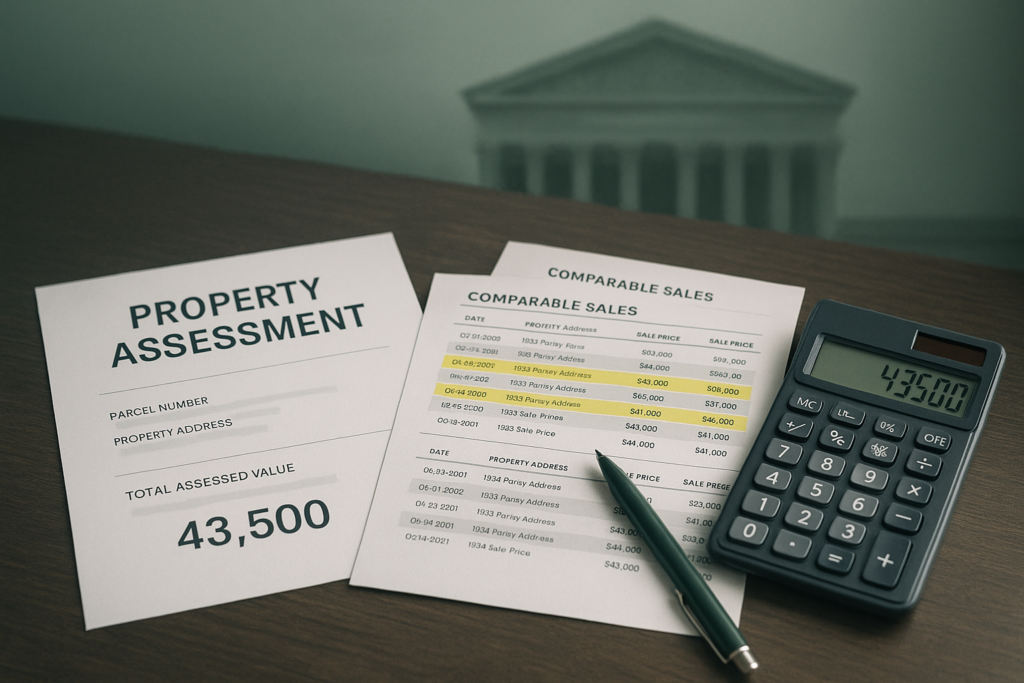
No one wakes up and decides to skip property taxes. But life happens — a layoff, a medical emergency, a year that just goes sideways. And unlike missing a credit card payment, falling behind on property taxes triggers consequences that snowball fast.
So what actually happens when you miss that payment? And more importantly — what can you do before things spiral?
The Timeline: What Happens and When
Month 1-3: Late Fees and Interest
Penalty interest kicks in immediately. The day after the due date, the clock starts. In Florida, it’s 3% in April, then an additional 1% tacked on each month after that. Some states hit you with 1.5% per month from day one.
At this point? Nobody’s taking your house. But the meter’s running, and it doesn’t stop.
Year 1-2: Tax Lien
Still haven’t paid after the grace period? The county files a tax lien against your property. This is a legal claim on your home for the amount you owe.
What that means in practice:
- Selling or refinancing your home? Not happening, the lien has to be cleared first
- It shows up on every title search, visible to any potential buyer or lender
- Many states sell tax lien certificates to private investors, who then collect the debt (plus interest) directly from you
- Those interest rates? Anywhere from 8% to 36%, depending on the state
Year 2-5: Tax Deed Sale
Leave the lien unpaid long enough and the county can auction your property at a tax deed sale. Your house, sold to the highest bidder to cover the tax debt.
How fast does this happen? In Florida, the investor who bought your tax lien certificate can apply for a tax deed after just 2 years. Other states give you 3 to 5 years. But the endpoint is the same.
And here’s the brutal part: auction prices often come in well below market value. All that equity you built over the years? Gone.
What to Do If You’re Behind
Don’t ignore it. That’s the single worst move you can make. Counties and tax collectors would rather work with you than pursue foreclosure. They want the money, not your house.
1. Call the Tax Collector’s Office
Pick up the phone. Most counties offer payment plans, spread the debt over 12 to 24 months with manageable installments. Some will even waive penalties if you set up a plan before they have to chase you.
2. Check for Hardship Programs
Programs exist for homeowners in tough spots, seniors, veterans, disabled homeowners, people who’ve lost income. Depending on your state and county, you might qualify for deferrals, reduced interest rates, or even partial forgiveness. Look into it.
3. Make Sure You’re Getting Every Exemption
Haven’t applied for homestead? Missing other exemptions you qualify for? You could be overpaying right now. Getting exemptions squared away won’t fix past-due balances, but it reduces what you owe going forward, and that matters.
4. Consider Paying With a HELOC or Home Equity Loan
Got equity? Borrowing against your home to pay the tax bill can actually make financial sense. A HELOC runs 7–9% interest right now. Tax lien penalty rates run 8–36%. You’re swapping expensive debt for cheaper debt. Not glamorous. But smart.
The Bottom Line
Property taxes stand apart from every other bill you pay. Credit card companies can sue. Medical providers send you to collections. Annoying, sure. But they can’t take your house. The government can.
If you’re behind, move now. Every month you wait costs more money and closes more doors. Start with one phone call to your county tax collector. Most of them are more willing to help than you’d expect.
Keep Reading
- How to Lower Your Property Taxes: 7 Strategies That Actually Work
- Property Tax Exemptions You Might Be Missing
- How to Challenge Your Property Tax Assessment (Step by Step)
Official resources and reference points
This page is homeowner education, not a property-specific appraisal, legal opinion, tax advice, or lender/carrier instruction. Use the tax bill, trim notice, exemption status, and local filing deadline before you assume the problem is the assessed value itself.
Why this article is worth trusting
Caleb Hollis reviewed this page. He reviews homeowner education on home value logic, cost realism, Florida housing questions, and decision quality.
See the reviewer profile and editorial team profile for who does what. OwnerHacks publishes homeowner education, not property-specific appraisal work, legal advice, tax advice, lending advice, or insurance advice.
OwnerHacks updates articles when rules, costs, or homeowner decision factors materially change. If something looks outdated, use our contact page and we will review it.