
30-second answer
Mold is usually a moisture problem first, a cleanup problem second.
If the area is small and the source is obvious, homeowners can often handle it. If the area is larger, tied to HVAC, or linked to flooding or health risk, bring in a pro fast and fix the moisture source before you spend a dollar on cleanup.
Small visible patch, no major water event, no HVAC spread, and nobody in the home has a higher health risk.
Large area, recurring smell, duct contamination, sewage or flood exposure, or anyone in the house has asthma or an immune issue.
Find and stop the moisture source first. Without that, every cleaning attempt is temporary.
Mold is sneaky. It doesn’t show up where you can see it. It grows behind drywall, inside ductwork, under sinks — and by the time you actually notice, the problem’s been building for weeks. That’s what makes it so frustrating.
And if you live somewhere humid? (Florida, looking at you.) This isn’t hypothetical. Mold will show up in your home at some point. The question is whether you catch it early or let it become expensive.
Where It Hides
Three ingredients: moisture, warmth, something organic to feed on. Your drywall and wood framing qualify. Mold loves spots you don’t check often.
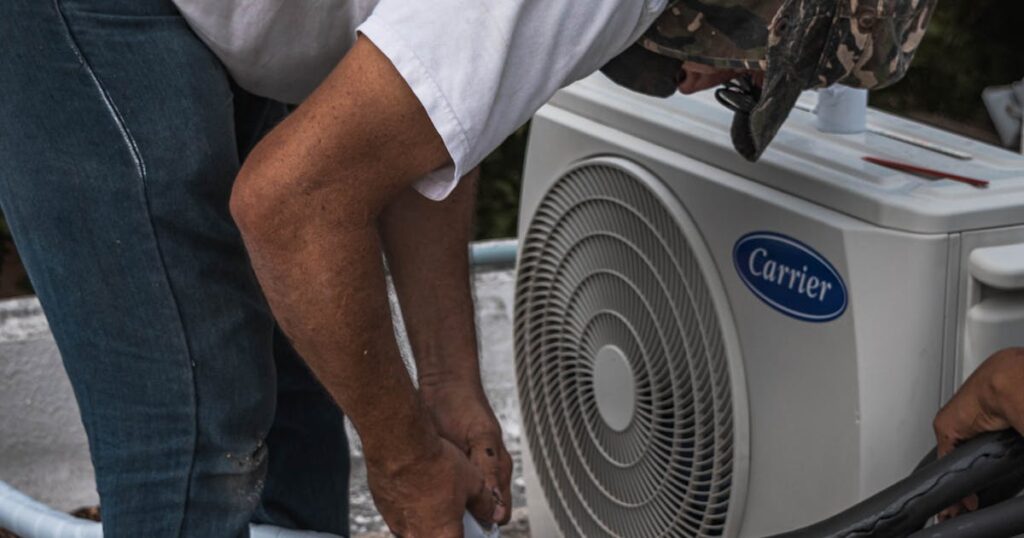
Behind drywall near plumbing is the classic one. Front of the wall looks totally fine while the backside is covered. Under sinks too — those slow drips nobody notices. Your HVAC system is another offender (condensation on coils creates mold that then gets blown through every room). Attics and crawl spaces with bad ventilation. Window frames where condensation pools.
How Dangerous Is It?
The “toxic black mold” from scary news segments? That’s Stachybotrys chartarum. It’s not nearly as common as people think.
But other mold isn’t harmless just because it isn’t that specific strain. Allergies, headaches, breathing problems — any indoor mold can cause those. People with asthma or weak immune systems face bigger risks.
The practical rule: see mold or smell that musty funk? Deal with it. Skip the home testing kits (mostly useless). Just find the water source, fix it, clean what’s there.
DIY Territory
Affected area under 10 square feet, roughly a 3×3 patch? You can probably handle it yourself.
| Situation | Usually fine to DIY | Better to call a pro |
|---|---|---|
| Size and spread | Small, visible, contained area | More than about 10 square feet, repeated growth, or multiple rooms |
| Cause | Minor leak or condensation source you can fully stop | Flooding, sewage, hidden leak, or moisture source you cannot identify |
| Health / systems | No HVAC contamination and no elevated health risk in the home | HVAC involvement, asthma, allergies, immune issues, or strong whole-house odor |
First: stop the moisture. Cleaning mold while a leak continues is like mopping with the faucet running. Fix the source. Then gear up with an N95 mask, gloves, and eye protection. Hard surfaces get scrubbed and dried thoroughly. Porous materials like drywall, carpet, and insulation usually cannot be salvaged once mold has penetrated them.
Official-source note: the EPA mold cleanup guide uses the same small-area threshold and recommends extra caution when HVAC systems or contaminated water are involved.
Dry everything after. Fans plus dehumidifier. Don’t rush this part.
When You Need a Professional
Bigger than 10 square feet? Call someone. HVAC contamination? Definitely call someone. Flooding, major water damage, or a musty smell you can’t track down — all pro territory. Same if anyone in your household has health conditions mold could worsen.
Expect $1,500 to $5,000 for professional remediation. Always get at least two quotes. Look for IICRC certification.
Keep indoor humidity from feeding the problem
Mold prevention starts with moisture control. If a room stays damp, compare dehumidifiers, air purifiers, and humidity-control equipment before the musty smell becomes a bigger repair.
Shop humidity and air-quality gear at Sylvane
Affiliate disclosure: OwnerHacks may earn a commission if you use this link. Your price does not change.
Stopping Mold Before It Shows Up
Fixing mold costs thousands. Preventing it costs almost nothing. The whole game is moisture control.
Buy a hygrometer. Ten bucks at any hardware store. If indoor humidity is creeping past 60%, that’s your cue to fire up a dehumidifier. Simple as that.
Leaks are the enemy. Fix them the day you find them. Not this weekend. Not eventually. That barely-there drip under your bathroom sink will be wall mold in four weeks. Guaranteed.
Bathroom fans? Run them during every shower, plus 20 minutes after. If your bathroom doesn’t have one, get one put in. It pays for itself. And rip out any carpet in bathrooms or basements. Hard flooring only where water is even a remote possibility.
Two more things people forget: the dryer vent (if it’s disconnected, it’s shooting humid air into your walls) and your AC when you travel. Tempting to shut it off and save money. Don’t. Not in a humid climate. That’s how you come home to a mold surprise.
Will Insurance Help?
Maybe. If a burst pipe or storm caused the water that caused the mold? Yeah, most policies cover that. But mold from neglect, bad airflow, or a leak you ignored for six months? Don’t expect a check.
Here’s the other thing. Even when mold IS covered, a lot of policies cap the payout between $5,000 and $10,000. Serious remediation can blow past that. Supplemental mold coverage? About $20 to $50 a year in humid climates. Cheap enough to just get it and stop thinking about it.
At the end of the day, mold is just a moisture problem wearing a disguise. Control the moisture, mold can’t get started. A little effort up front saves you real money later.
Sources reviewed
- EPA, mold basics and cleanup guidance
- CDC, health effects and when mold becomes a bigger concern
- FEMA, post-water-damage mold guidance
- IICRC, locator for credentialed restoration firms
Related: How to Prevent Water Damage in Your Home: A Practical Guide
See also: Does Homeowners Insurance Cover Water Damage? It Depends.
Free OwnerHacks planner
Put moisture checks on the maintenance calendar
Use the maintenance cost planner to budget for small prevention jobs — caulk, vents, drainage, HVAC service, and humidity fixes — before they turn into mold remediation.
Keep Reading
- How to Maintain Your HVAC System (And Avoid a $5,000 Replacement)
- Homeowners Insurance Claim Denied? Here’s What to Do Next
- Do You Need Flood Insurance? What Every Homeowner Should Know
Official resources and reference points
This page is homeowner education, not a property-specific appraisal, legal opinion, tax advice, or lender/carrier instruction. Use these when a project decision affects safety, permits, energy cost, resale, or insurability and you want something sturdier than a contractor sales pitch.
Why this article is worth trusting
Caleb Hollis reviewed this page. He reviews homeowner education on home value logic, cost realism, Florida housing questions, and decision quality.
See the reviewer profile and editorial team profile for who does what. OwnerHacks publishes homeowner education, not property-specific appraisal work, legal advice, tax advice, lending advice, or insurance advice.
OwnerHacks updates articles when rules, costs, or homeowner decision factors materially change. If something looks outdated, use our contact page and we will review it.