Water damage is the number one cause of homeowners insurance claims in the U.S. And it’s not close. Average claim: over $12,000. Severe cases (burst pipe while you’re on vacation, slow leak behind a wall for months) can easily hit $50,000+.
The frustrating part? Most of it is preventable. It comes from maintenance issues people either didn’t know about or kept putting off. Here’s how to keep your home dry. And if a leak, musty smell, or stained drywall is already making you nervous, read What Homeowners Need to Know About Mold before you assume it is cosmetic.
If you want the storm-prep side of this too, use the Pre-Storm Home Protection Checklist. And if leaks, stains, or old supply lines are already showing up, read Plumbing Problems That Hurt Home Value before small damage turns into a much bigger problem.
Check Your Plumbing Regularly
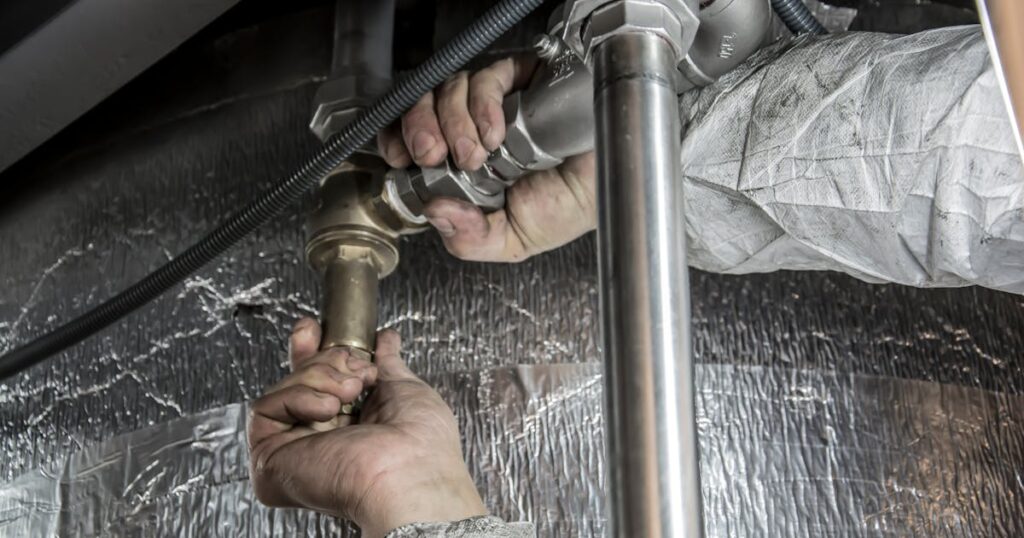
Most indoor water damage comes from plumbing failures — burst pipes, leaking supply lines, dead water heaters, worn-out washing machine hoses. And most of these announce themselves before they blow if you know where to look.
Under every sink: Pop open the cabinet under kitchen and bathroom sinks once a month. Look for moisture, drips, water stains. Feel the supply lines and drain connections. A slow drip can destroy cabinetry, flooring, and subflooring before you ever see it from above.
Washing machine hoses: Still using rubber hoses? Replace them with braided stainless steel. Today. Rubber hoses are the single most common cause of catastrophic indoor flooding — they rot from the inside out and burst without warning. Hundreds of gallons per hour. Stainless steel hoses cost $15–$20 and last basically forever.
Water heater: Check around it for moisture or rust. Most last 8–12 years. If yours is getting up there, start planning. A failing water heater dumps 40–80 gallons into your home all at once. A drain pan underneath and a water alarm nearby are cheap insurance. In Florida’s hard water, heaters often die on the earlier side of that range.
Toilets: Check the base for moisture or discolored flooring. A bad wax ring lets water seep under the toilet every flush, slowly destroying the subfloor. Check the supply line connection too — these fail more often than people realize.
Manage Water Around Your Foundation
Water pooling near your foundation is water that eventually gets inside. It’s the primary cause of basement flooding, crawl space moisture, and foundation cracks.
Gutters and downspouts: Clean your gutters twice a year minimum — spring and late fall. Clogged gutters overflow directly against the foundation. Downspouts should extend at least 4–6 feet from the house. Gutter maintenance is one of the highest-return preventive measures you can take. Takes an afternoon. Saves thousands.
Grading: Ground should slope away from the foundation on all sides. Walk your property after a heavy rain and watch where water goes. Pooling against the house? Regrade — add soil to create at least 6 inches of slope over the first 10 feet from the foundation.
Sump pump: Test quarterly — pour a bucket of water in and make sure it kicks on, pumps, and shuts off. Get a battery backup. Sump pumps are needed most during storms, which is exactly when the power goes out. Murphy’s law at its finest.
If moisture has already lingered long enough for musty smells, stains, or visible growth, go straight to The Homeowner’s Guide to Mold. Preventing water damage is cheaper than paying for cleanup after the damage turns biological.
Humidity-control gear worth pricing
If crawl space or basement moisture is the issue, compare dehumidifiers and indoor air-quality equipment before the problem turns into mold or damaged materials.
Affiliate disclosure: OwnerHacks may earn a commission if you buy through this link, at no extra cost to you.
Compare dehumidifiers at Sylvane →Protect Against Roof Leaks
Your roof is the first line of defense. Small roof issues become big interior problems fast.
Inspect after storms. After any significant wind or hail, check from the ground for missing shingles, displaced flashing, or debris. See something? Get a professional out before the next rain. Don’t wait.
Check flashing. Around chimneys, vents, skylights, and where the roof meets walls. That’s the most common entry point. Cracked, rusted, or separated flashing needs immediate repair.
Attic inspection. Twice a year, look for dark stains on the underside of the roof deck, damp insulation, or daylight through the boards. Catching a leak in the attic prevents it from becoming a ceiling and wall disaster.
Know Where Your Water Shutoff Is
When a pipe bursts, every minute counts. A single burst pipe releases 3–8 gallons per minute. In the 30 minutes it takes to figure out the shutoff? That’s 90–240 gallons flooding your home.
Find your main shutoff valve today. Right now. Not during an emergency. It’s usually where the water line enters the home — garage, basement, or near the street. Make sure every adult in the house knows where it is and how to turn it off. Label it.
Want extra protection? Automatic shutoff systems detect abnormal flow and cut the supply. $200–$500 installed. Can prevent catastrophic damage. Worth every penny if you travel or have an older home.
Monitor for Hidden Leaks
The most expensive water damage comes from leaks you don’t know about. Water behind walls, under floors, in ceilings — causing structural damage and mold growth before any visible signs show up.
Watch your water bill. Sudden increase with no change in habits? Hidden leak. Even $10–$20 more than usual warrants a look.
Check your meter. Turn off every faucet, appliance, and fixture. If the meter’s still spinning, you’ve got a leak somewhere.
Use leak sensors. Battery-powered detectors cost $10–$30 each and alarm when they hit water. Under sinks, behind toilets, by the water heater, next to the washer, in the crawl space. Smart versions send phone alerts. For the cost of a decent lunch, you can cover every vulnerable spot in the house.
The Insurance Angle
Standard homeowners insurance covers sudden and accidental water damage — burst pipe, failed appliance. It does not cover gradual damage from maintenance neglect, external flooding, or damage from a known issue you didn’t fix.
That means prevention isn’t just about protecting your home. It protects your ability to file a claim. If your insurer decides the damage came from deferred maintenance, the claim gets denied. And they look for that. Hard.
The Bottom Line
Water damage is devastating, expensive, and almost always avoidable. The homeowners who dodge it aren’t lucky — they’re the ones who check under sinks, clean gutters, replace old hoses, and know where the shutoff valve is. None of it is hard. None of it costs much. But skipping it can cost tens of thousands and months of your life dealing with repairs.
Related: The Home Maintenance Checklist That Protects Your Property Value
See also: How to Save Money on Homeowners Insurance Without Cutting Coverage
Sources reviewed
- Insurance carrier loss-prevention guidance for water damage
- EPA moisture and mold prevention guidance
- National Association of Insurance Commissioners homeowners claim prevention guidance
- Plumbing fixture and appliance maintenance references
Keep Reading
- 9 Home Improvements That Are Almost Never Worth the Money
- The Home Maintenance Checklist That Protects Your Property Value
- CDD Fees Explained: The Hidden Cost of Buying in a New Community
Free OwnerHacks checklist
Home Insurance Coverage Gap Checklist
A practical homeowner checklist for spotting deductible, flood, roof, water, and coverage gaps before renewal or a claim.
Get the free checklistFree OwnerHacks checklist
Home Maintenance Cost Planner
A simple planner for ranking repairs, setting a monthly maintenance reserve, and avoiding the homeowner costs that turn into emergencies.
Get the free checklistOfficial resources and reference points
This page is homeowner education, not a property-specific appraisal, legal opinion, tax advice, or lender/carrier instruction. Use these when a project decision affects safety, permits, energy cost, resale, or insurability and you want something sturdier than a contractor sales pitch.
Why this article is worth trusting
Caleb Hollis reviewed this page. He reviews homeowner education on home value logic, cost realism, Florida housing questions, and decision quality.
See the reviewer profile and editorial team profile for who does what. OwnerHacks publishes homeowner education, not property-specific appraisal work, legal advice, tax advice, lending advice, or insurance advice.
OwnerHacks updates articles when rules, costs, or homeowner decision factors materially change. If something looks outdated, use our contact page and we will review it.