Most people pay attention to the part of homeowners insurance that rebuilds the house. Fair enough. But if a fire, storm, or major water loss puts you out of the house for months, the coverage that saves your budget is usually loss of use, also called additional living expenses or ALE.
Quick answer: Loss of use coverage helps pay the extra cost of living somewhere else when a covered loss makes your home temporarily unlivable. Think hotel bills, short-term rental costs, higher food costs, laundry, pet boarding, and similar necessary increases in living expenses.
What ALE Usually Covers
The key word is extra. ALE is not supposed to improve your life. It is supposed to cover the reasonable increase in cost caused by displacement.
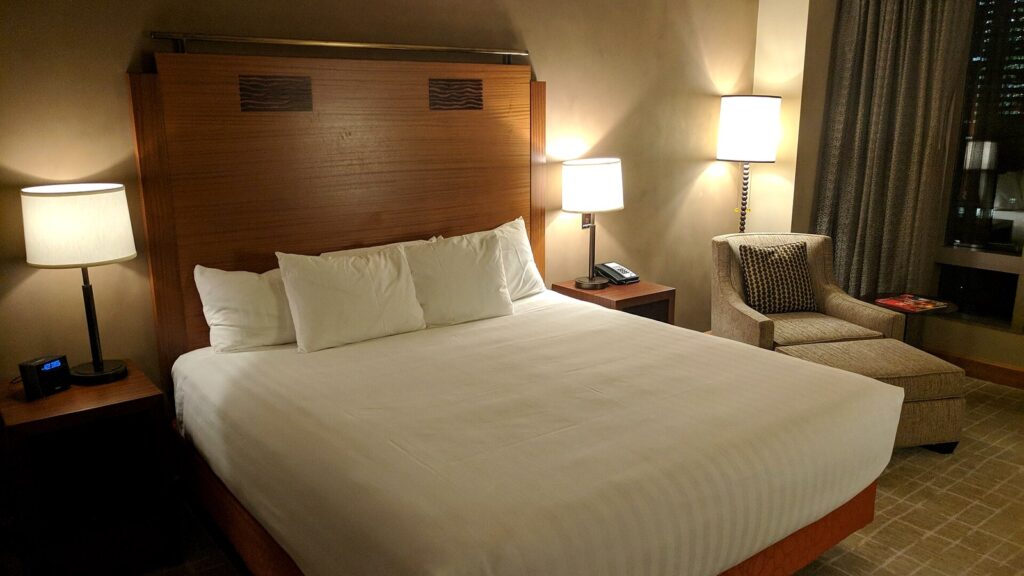
- hotel or temporary rental
- extra food costs beyond your normal grocery budget
- laundry expenses
- parking or commuting increases tied to temporary housing
- pet boarding when necessary
- storage in some situations
If your normal grocery bill is $250 a week and eating out while displaced costs $450, the insurer may cover the difference, not the whole tab.
When It Applies
ALE usually applies only when two things are true:
- The loss is covered by the policy.
- The house is not fit to live in because of that covered loss.
If the claim itself is excluded, ALE usually disappears with it. Flood damage is the classic example. Standard homeowners insurance does not cover flood, so standard ALE coverage does not step in for flood displacement either.
What It Usually Does Not Cover
- your full normal cost of living
- upgrades or luxury temporary housing
- displacement caused by excluded losses
- long-term housing after policy limits are exhausted
- every convenience expense you can think of just because life got messy
Insurance adjusters are looking for reasonable, documented, necessary extra costs. Treat it like an expense report, because that is basically what it is.
How Much Coverage Do You Usually Get?
On many policies, loss of use is a percentage of dwelling coverage, often around 20%. So if the dwelling limit is $400,000, ALE might be $80,000. But policies vary, and Florida owners should actually verify the number instead of assuming it is generous enough.
If rebuilding takes longer than expected, that limit can get chewed up faster than you think.
How to Avoid Getting Burned During a Claim
- Read the ALE limit before you need it.
- Keep every receipt.
- Track normal expenses versus increased expenses.
- Ask the adjuster early what documentation they expect.
- Do not assume flood, sewer backup, or every water event triggers ALE under your homeowners policy.
Why Florida Homeowners Should Care More Than Most
Storm losses in Florida do not just damage houses. They displace families for long stretches while contractors, materials, and permitting all move slower than anyone wants. A policy with weak ALE or a huge hurricane deductible can leave you paying for both the house damage and the temporary living situation at the same time.
That is the kind of double hit that breaks budgets.
Bottom Line
Loss of use coverage is not flashy, but it is one of the most important parts of a homeowners policy when life goes sideways. Check the limit. Understand the rules. And stop treating ALE like a minor footnote, because during a serious claim it becomes the difference between inconvenience and financial chaos.
Related Reading
- What Does Homeowners Insurance Actually Cover?
- Do You Need Flood Insurance?
- Florida Hurricane Deductible Explained
Sources reviewed
- National Association of Insurance Commissioners homeowners insurance guidance
- Florida Office of Insurance Regulation consumer insurance resources
- Florida Department of Financial Services insurance help resources
- Homeowners policy form and endorsement references
Official resources and reference points
This page is homeowner education, not a property-specific appraisal, legal opinion, tax advice, or lender/carrier instruction. Use these to verify the coverage language, complaint path, and Florida-specific rules before you act on a denial letter, underwriting scare, or policy summary.
Why this article is worth trusting
Caleb Hollis reviewed this page. He reviews homeowner education on home value logic, cost realism, Florida housing questions, and decision quality.
See the reviewer profile and editorial team profile for who does what. OwnerHacks publishes homeowner education, not property-specific appraisal work, legal advice, tax advice, lending advice, or insurance advice.
OwnerHacks updates articles when rules, costs, or homeowner decision factors materially change. If something looks outdated, use our contact page and we will review it.