Primary portability guide. This is the main Florida Save Our Homes portability explainer. Need examples instead? Use the portability calculation examples. Comparing terms? Start with homestead exemption vs portability.
Florida homeowners hear the word portability and assume it means their whole tax bill moves with them. Wrong.
Need the broader tax playbook first? Start with the Complete Guide to Property Taxes for Florida Homeowners.
Contributing expert
Casey Vockell, owner of My Exemption Check, contributed expert perspective for this article on Florida Save Our Homes, portability, property tax exposure, and valuation-related tax decisions.
What actually transfers is your Save Our Homes benefit, the gap between your home’s market value and its lower assessed value. If that gap is big, portability can save you thousands per year on the next house. If you botch the timing or misunderstand the rules, you can lose a chunk of that benefit.
Quick answer: Florida Save Our Homes portability lets you transfer up to $500,000 of accumulated assessment difference from one homesteaded Florida property to another. You must establish the new homestead, apply on time, and meet the move-window rules, or the benefit can shrink or disappear.
Portability in plain English
- You do not transfer the old tax bill.
- You transfer the assessment cap benefit created by Save Our Homes.
- The benefit can move anywhere in Florida, not just within the same county.
- The maximum portable benefit is $500,000.
What Save Our Homes Actually Protects
Once you have Florida homestead exemption, your assessed value can usually rise only by 3% per year or CPI, whichever is lower. In a hot market, that can leave a huge spread between what the home is worth and what you are taxed on.
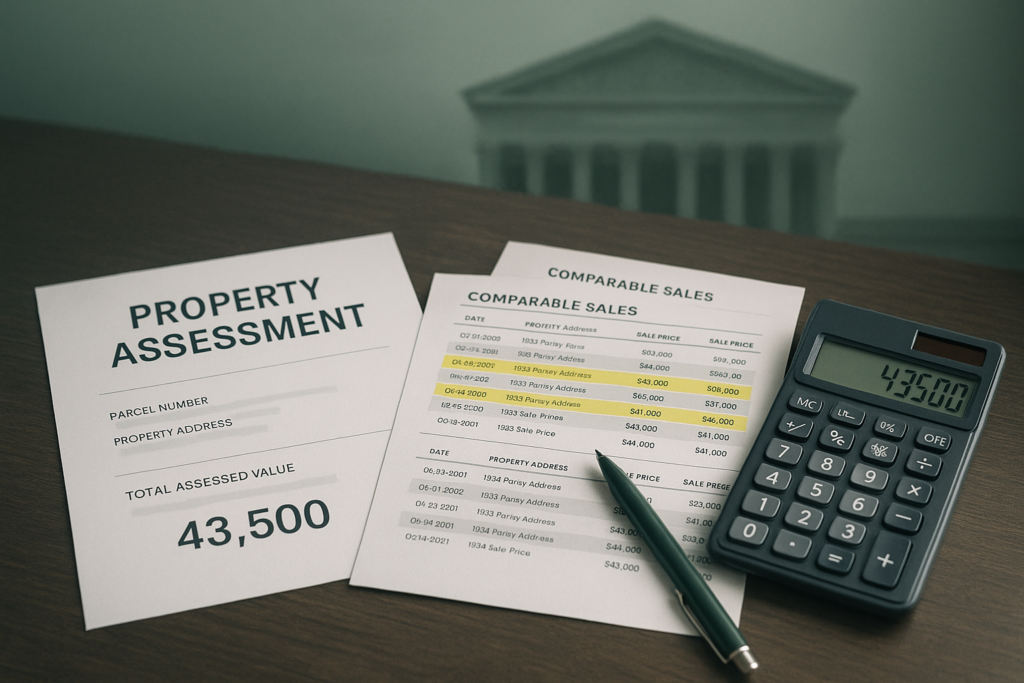
Example: your longtime homesteaded home is worth $475,000, but the assessed value is only $290,000. That $185,000 difference is your Save Our Homes benefit. Portability may let you carry that benefit into the next homestead instead of starting over from full market value.
Who Qualifies for Portability
You generally qualify if:
- Your old property had homestead exemption in either of the last two tax years.
- You establish a new Florida homestead on the replacement property.
- You file for portability by the deadline set by the county property appraiser.
The move can be across town or across the state. Same-county and cross-county transfers both work, as long as both properties are Florida homesteads.
How the Transfer Amount Is Calculated
There are two basic outcomes.
If the new home costs more than the old home, you can usually transfer the full Save Our Homes difference, up to $500,000.
If the new home costs less than the old home, the transferred benefit is usually prorated. In other words, you only carry over a percentage of the old benefit.
That is why downsizing can still save money, but sometimes less than owners expect.
Simple Example
Old home just value: $450,000
Old home assessed value: $300,000
Save Our Homes benefit: $150,000
If the new home is worth $550,000, you may transfer the full $150,000 benefit, dropping the starting assessed value to roughly $400,000 before normal assessment changes.
If the new home is worth only $300,000, the benefit may be prorated instead of transferred dollar-for-dollar.
Deadlines That Matter
Warning: Portability is not automatic. If you buy a new home and assume the county will figure it out for you, that is how people overpay for a year.
In most cases, you file for the new homestead and portability together. The usual timely filing deadline is March 1. Some counties allow a late-file window, but counting on that is sloppy and risky.
The old homestead typically needs to have been your homestead in one of the prior two years. If you wait too long between selling and re-establishing homestead, portability can fall apart.
Mistakes That Cost People Money
- Assuming homestead transfers automatically. It does not.
- Missing the filing deadline. This is the most common self-inflicted wound.
- Thinking only same-county moves qualify. They do not. Portability works statewide.
- Confusing assessed value with market value. The portable benefit is the capped-value difference, not the sale price.
- Forgetting that buying a cheaper home can reduce the transferable amount.
When Portability Matters Most
- You owned your previous Florida homestead for years and values climbed hard.
- You are moving from one Florida county to another and worry about a tax reset.
- You are downsizing and want to know whether the tax savings transfer fully or only partly.
- You just bought a replacement home and need to file before the deadline.
The Bottom Line
Portability is one of the best tax breaks Florida homeowners get, but only if you handle it correctly. The longer you owned the old homestead, the more valuable that benefit can be. File on time, understand the calculation, and do not assume the county will clean up a missed step for you.
Next step: Pull the assessed value and just value from your old homestead, then call your county property appraiser or review the portability application before March 1. If you still need the basics, read Florida Homestead Exemption first.
Related: Florida Homestead Exemption: How to Save Thousands on Property Taxes
See also: Florida Homestead Exemption Mistakes That Cost Homeowners Money
Sources reviewed
- Florida Department of Revenue property tax and exemption guidance
- Florida Department of Revenue Value Adjustment Board appeal guidance
- County property appraiser assessment and exemption references
- County tax collector billing and millage references
Keep Reading
- How to Read Your Property Tax Assessment (And Spot Errors)
- What Is a Millage Rate in Florida? How Your Property Tax Bill Gets Built
- Why Your Property Taxes Went Up (And What You Can Actually Do About It)
Official resources and reference points
This page is homeowner education, not a property-specific appraisal, legal opinion, tax advice, or lender/carrier instruction. Use the tax bill, trim notice, exemption status, and local filing deadline before you assume the problem is the assessed value itself.
Why this article is worth trusting
Caleb Hollis reviewed this page. He reviews homeowner education on home value logic, cost realism, Florida housing questions, and decision quality.
See the reviewer profile and editorial team profile for who does what. OwnerHacks publishes homeowner education, not property-specific appraisal work, legal advice, tax advice, lending advice, or insurance advice.
OwnerHacks updates articles when rules, costs, or homeowner decision factors materially change. If something looks outdated, use our contact page and we will review it.