- Home value moves on closed comparable sales first, then condition, location pressure, and buyer pain points like insurance, HOA, and flood cost.
- Scenario picker
- Big drivers vs weak drivers
- Worked decision paths
- Risk and reward cards
- Bottom line
Show all sections
- Quick answer: what really moves home value
- Fast decision filter for homeowners
- Worked examples: same house, different value outcome
- Questions to ask before spending money
- 1. Comparable Sales in Your Neighborhood
- 2. School District Quality
- 3. Lot Size and Usability
- 4. Kitchen and Bathroom Condition
- 5. Roof Age and Condition
- 6. HVAC System Age
- 7. Flood Zone Status
- 8. HOA Fees and CDD Assessments
- 9. Curb Appeal
- 10. Garage Space
- 11. Proximity to Nuisances
- 12. Market Timing
- What You Can Actually Control
- When This Matters Most
- The Bottom Line
- Sources reviewed
Ask most homeowners what drives their home’s value and you’ll hear the same three answers: location, square footage, bedrooms. They’re not wrong. They’re just leaving a lot out.
Quick answer: Your home’s value is driven mostly by recent comparable sales, location quality, condition, major systems, lot utility, and market timing. Cosmetic stuff matters, but only after the big value anchors are already working in your favor.
Big drivers vs smaller drivers
- Big drivers: nearby sold comps, school zone, lot usability, roof and HVAC condition, flood zone, HOA or CDD burden, and broad market conditions.
- Smaller drivers: trendy paint colors, decor choices, and upgrades buyers like but comps do not fully support.
Whether you’re selling, refinancing, fighting a tax assessment, or just trying to understand your equity, the real picture is more nuanced than most owners think.
Home value moves on closed comparable sales first, then condition, location pressure, and buyer pain points like insurance, HOA, and flood cost.
If you want a value answer that holds up, start with recent sold comps. Cosmetics matter, but only after the big drivers, location, condition, systems, lot utility, and market timing, are doing their job.
Owners routinely overrate cosmetic upgrades and underrate the hard stuff buyers, lenders, and appraisers actually price. Separate the big drivers from the nice-to-haves before spending money or arguing about value.
If you want the appraiser-side read on how condition, upgrades, and resale logic actually get judged, read How Appraisers Think About Value, Condition, Upgrades, and Resale. It connects the value drivers to real appraisal behavior.
Scenario picker
Prepare for sale
Best for: you need to know which issues buyers will discount hardest
Why it wins: That usually starts with comps, condition, and visible deferred maintenance.
Prepare for appraisal
Best for: you want to support value for refinance or PMI removal
Why it wins: Focus on factual market support and major property strengths.
Choose upgrades wisely
Best for: you want payoff instead of random renovation spending
Why it wins: Not every improvement moves value the same way.
Big drivers vs weak drivers
| Factor | Usually strong value driver | Usually weaker driver | Why |
|---|---|---|---|
| Market evidence | Recent closed comparable sales | Active listings or wishful asks | Closed deals set the tone |
| Property condition | Roof, HVAC, systems, functional updates | Decor trends and staging alone | Expensive defects scare buyers faster |
| Location pressure | School zone, nuisances, lot utility | Small style preferences | Location sticks, style changes |
| Monthly buyer burden | Taxes, insurance, HOA, flood cost | Minor cosmetic quirks | Payment pain caps what buyers can pay |
| Timing | Rates and local demand shifts | Owner attachment to the home | Markets move whether you like it or not |
Worked decision paths
Beautiful interior but old roof and expensive insurance
Call: Value still gets hit
Buyers and appraisers both price the looming cost even if the house photographs well.
Average finishes in a strong location with good recent comps
Call: Value holds better
Location and market evidence usually overpower cosmetic modesty.
Big remodel in a neighborhood that will not support it
Call: Payback may disappoint
The market sets the ceiling, not the owner’s invoice stack.
Risk and reward cards
Value upside
- Strong comps support price
- Well-maintained systems reduce buyer fear
- Functional lots and low monthly burden help demand
Value risk
- Location nuisances create permanent discounts
- Flood or insurance cost kills affordability
- Over-improving past neighborhood support wastes money
Upgrade upside
- Targeted repairs can protect value
- Deferred maintenance cleanup broadens buyer pool
- Practical updates often beat vanity projects
Upgrade risk
- Cosmetic spending can underperform
- Ignoring big-ticket systems backfires
- Owner emotion can distort real market support
Bottom line
If you care about real value, chase comps, condition, and monthly ownership burden first. Cosmetics only matter after the hard stuff is under control.
Best next move
Compare your home against recent sold comps, then pair that with how appraisals affect equity and replacement cost vs market value so you use the right value lens for the decision in front of you.
Quick answer: what really moves home value
Your home’s value moves most when the market sees stronger or weaker comparable sales, better or worse location utility, cleaner condition, and lower buyer friction. Owners tend to obsess over cosmetic improvements because they are visible. Buyers and appraisers care more about whether the property competes well against recent sales, has functional space, avoids major repair headaches, and does not carry hidden cost burdens like flood insurance, bad layout, or high HOA drag.
| Factor type | Usually strong value impact | Usually modest value impact |
|---|---|---|
| Market evidence | Recent nearby closed sales, scarce inventory, strong buyer demand | Optimistic listings and online estimates |
| Physical condition | Roof, HVAC, windows, kitchen and bath condition, structural soundness | Fresh decor without fixing worn systems |
| Site and location | School zone, lot utility, water view, privacy, traffic pattern | Minor landscaping touches alone |
| Functional utility | Good floor plan, enough baths, useful square footage | Niche customizations that hurt broad appeal |
| Ownership costs | Flood zone, insurance burden, taxes, HOA or CDD load | Small annual fee differences buyers barely notice |
Fast decision filter for homeowners
- Need the biggest value lift? Fix condition issues and major systems before chasing decorative upgrades.
- Getting ready to sell? Study nearby sold comps and price against what buyers actually closed on, not what neighbors wish they could get.
- Trying to protect long-term value? Pay attention to roof age, drainage, flood risk, and layout problems that shrink the buyer pool.
- Planning a remodel? Spend first where the market consistently rewards utility and condition, not where taste gets too personal.
Worked examples: same house, different value outcome
Example 1, smart prep: a seller spends money on a worn roof section, paint, damaged flooring, and an aging HVAC service issue before listing. Buyers stop discounting the house for immediate repairs, and the property competes closer to the better neighborhood sales.
Example 2, weak ROI: another owner drops cash on trendy wallpaper, custom built-ins, and designer lighting but leaves the old roof and dated bathrooms untouched. The house photographs better, but value still gets capped by repair anxiety and weaker comps.
Example 3, hidden drag: two similar homes sell on the same street, but one sits in a flood zone with a higher insurance bill and backs to a busy road. Even if the finishes match, the market often prices in those lifestyle and cost penalties.
Questions to ask before spending money
- Will this change improve how my home compares with recent nearby sales?
- Does it remove a buyer objection or just make me feel better about the space?
- Will the next buyer actually pay for it, or just appreciate it?
- Am I fixing condition, utility, or risk first before chasing cosmetics?
Next step: if you want the appraisal angle, compare this with how to increase appraised value and how to dispute a low appraisal. If ownership costs are the issue, read the Florida property tax guide.
1. Comparable Sales in Your Neighborhood
Nothing matters more. Appraisers lean on recent closed sales of similar homes nearby. Not active listings. Not hopeful pricing. Closed deals.
2. School District Quality
Even buyers without kids often pay for better school zones because the market rewards them.
3. Lot Size and Usability
Usable outdoor space beats awkward land almost every time. Flat, functional yards generally win.
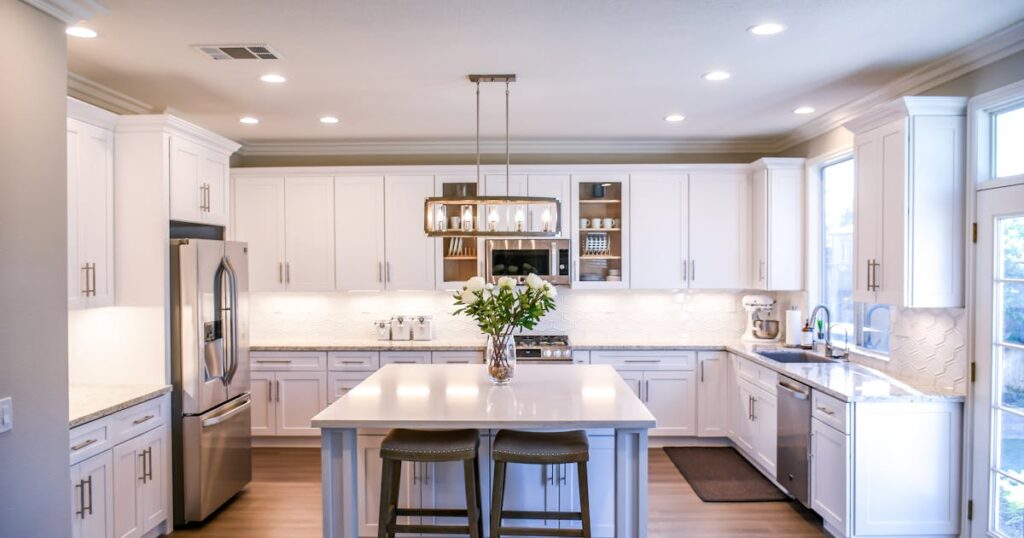
4. Kitchen and Bathroom Condition
These rooms carry outsized weight. They do not need to be luxury-level, but they do need to feel clean, functional, and current enough not to drag the rest of the house down.
5. Roof Age and Condition
Old roofs hurt value because buyers, lenders, and insurers all see the same looming expense.
6. HVAC System Age
Newer systems support value because buyers know they are not inheriting an immediate replacement bill.
7. Flood Zone Status
Flood insurance cost changes affordability, and affordability changes what buyers can pay.
8. HOA Fees and CDD Assessments
Monthly fees reduce buyer buying power. That puts a ceiling on offers.
9. Curb Appeal
First impressions influence what buyers assume about maintenance and overall condition.
10. Garage Space
In many suburban markets, garage count matters more than owners expect.
11. Proximity to Nuisances
Busy roads, power lines, rail lines, and awkward neighboring uses can create permanent discounts.
12. Market Timing
Rates, inventory, and buyer demand can shift value even when the house itself has not changed at all.
What You Can Actually Control
You cannot move the house to a better location. You can protect the systems, improve condition, handle maintenance before it becomes visible neglect, and avoid upgrades that cost more than your market will reward.
When This Matters Most
- You are about to sell and want to know which upgrades actually deserve your money.
- You are refinancing and need to understand what could help or hurt the appraisal.
- You are challenging a property tax assessment and need a smarter view of what really supports value.
- You are tracking equity and want to separate market reality from Zestimate theater.
The Bottom Line
Home value is not one thing. It is the stack of market evidence, location quality, condition, risk factors, and timing all hitting at once. Focus on the factors that buyers, lenders, insurers, and appraisers actually care about. Ignore the rest.
Next step: Before you spend money, compare your home against recent nearby sold comps and make a short list of issues buyers will discount hardest, usually roof, HVAC, condition, flood cost, or location problems. Then read How a Home Appraisal Affects Your Equity if you are preparing for a sale or refinance.
Sources reviewed
- Consumer Financial Protection Bureau home appraisal guidance
- Fannie Mae appraisal and comparable-sales references
- Freddie Mac collateral valuation guidance
- Standard residential appraisal market-value methodology references
Keep Reading
- The Best Renovations for Home Value
- Before You List: A Home Value Checklist
- 9 Home Improvements That Are Almost Never Worth the Money
Not every improvement moves value the same way. Estimate resale impact before spending heavily.
Open ROI calculator →Official resources and reference points
This page is homeowner education, not a property-specific appraisal, legal opinion, tax advice, or lender/carrier instruction. Use these when the decision touches borrowing against equity, deed changes, or appraisal-driven loan questions where one wrong assumption gets expensive fast.
Why this article is worth trusting
Caleb Hollis reviewed this page. He reviews homeowner education on home value logic, cost realism, Florida housing questions, and decision quality.
See the reviewer profile and editorial team profile for who does what. OwnerHacks publishes homeowner education, not property-specific appraisal work, legal advice, tax advice, lending advice, or insurance advice.
OwnerHacks updates articles when rules, costs, or homeowner decision factors materially change. If something looks outdated, use our contact page and we will review it.