Homeowners love asking which renovation adds the most value. Fair question. Wrong framing.
Quick answer: The best renovations for home value are the ones that solve functional problems, modernize kitchens and baths without going luxury-crazy, improve curb appeal, and replace major systems buyers and appraisers discount hard when they are old. The worst move is overspending on flashy upgrades your market will not fully pay you back for.
Affiliate resource
Keep bathroom refreshes restrained
For resale value, simple fixture updates usually make more sense than luxury overbuilding. Compare clean, modern bath fixtures before turning a refresh into a full remodel.
Disclosure: This is a sponsored affiliate link. OwnerHacks may earn a commission if you use it, at no extra cost to you.
Compare restrained bathroom fixtures →Best value-add buckets
- Strongest ROI: paint, flooring, lighting, curb appeal, basic kitchen and bath refreshes, garage door and entry door replacement.
- Quiet value protection: roof, HVAC, windows when truly needed, and fixing deferred maintenance before buyers see it.
- Use caution: luxury remodels, room conversions, and anything that over-improves the house for the block.
Appraisers do not hand out big value bumps just because a receipt exists. Buyers do not either. What they reward is a house that competes better than the nearby sold comps.
1. Minor Kitchen Updates
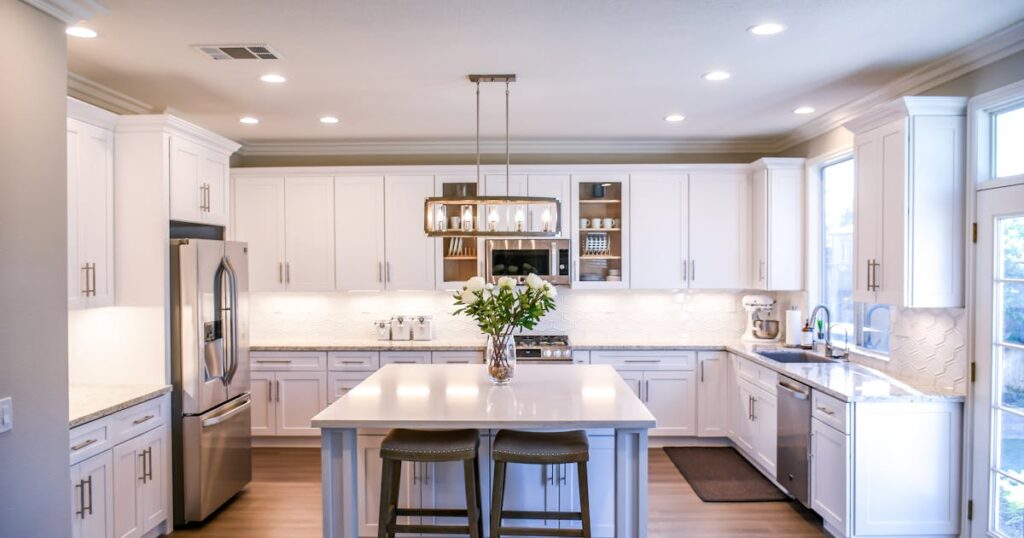
This is almost always the sweet spot. Painted cabinets, new hardware, updated counters, backsplash, sink, faucet, and decent lighting can change the whole feel of the house without forcing a full gut job.
The reason it works: kitchens influence buyer emotion fast, but most neighborhoods do not support luxury pricing for luxury finishes. A clean, current kitchen usually beats an expensive one with weak payback.
2. Practical Bathroom Refreshes
Same principle. New vanity, mirrors, fixtures, lighting, reglazing or replacing ugly surrounds, fresh tile where it matters, and sharp paint. You want clean, bright, and current. Not a spa fantasy that costs $40,000 and gets half of it back.
3. Paint, Flooring, and Lighting
Boring answer. Strong answer. Fresh neutral paint, replacing trashed carpet, refinishing wood, or installing solid mid-range flooring can lift the whole house because it fixes condition, not just style. Updated lighting helps too, especially when the old fixtures make the house feel older than it is.
These are the improvements buyers notice immediately and appraisers recognize as part of overall condition and marketability.
4. Curb Appeal That Makes the House Look Cared For
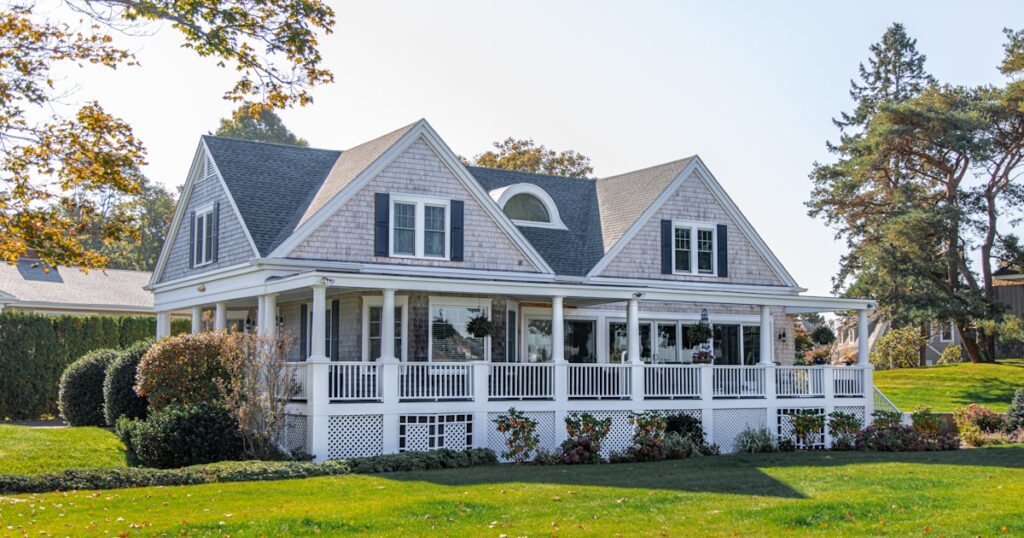
Exterior paint touch-ups, pressure washing, trimming landscaping, mulch, cleaner walkways, updated house numbers, a refreshed front door, and sometimes a new garage door. None of this is sexy. All of it helps.
If the first impression says neglected, buyers start mentally discounting the entire property before they hit the kitchen.
For the detailed list, read 10 Curb Appeal Upgrades That Actually Increase Your Home’s Value.
5. Replacing a Roof or HVAC When the Existing One Is Near the End
This is where owners get confused. A new roof or HVAC usually does not add dollar-for-dollar value. But an old failing one absolutely drags value down.
That means replacement is often more about removing a buyer discount than creating a giant premium. Still worth it, because buyers, insurers, lenders, and appraisers all care about major systems.
Important: a $20,000 roof replacement does not magically raise value by $20,000. What it usually does is keep buyers from discounting the house harder than that.
6. Energy and Efficiency Upgrades That Buyers Can Feel
Some efficiency upgrades help. Better windows when the old ones are clearly failing. Smart insulation improvements. Sealing obvious leaks. A more efficient HVAC system. These matter most when they improve comfort, lower obvious operating costs, or solve a known problem.
They matter less when they are invisible upgrades the market does not understand.
7. Adding Usable Space, Carefully
Adding real, permitted, heated and cooled living area can help a lot when the neighborhood supports it. But this is dangerous territory. The cost is high, the return varies, and sloppy conversions can hurt value instead of helping.
Garage conversions, enclosed patios, and improvised bonus rooms often disappoint because buyers do not value them like true original living area.
What Appraisers Actually Reward
- Condition upgrades that reduce deferred maintenance
- Functional updates buyers consistently want in your market
- Permitted improvements that are credible, durable, and supported by comps
- Balanced renovations that fit the neighborhood price ceiling
What Usually Does Not Pay Back Well
Pools in many markets. Luxury kitchens in mid-range neighborhoods. Converting garages. Sunrooms that do not count as true living area. Highly personalized finishes. If you want the blunt version, read 9 Home Improvements That Are Almost Never Worth the Money.
When This Matters Most
- You are deciding where to spend renovation dollars before selling.
- You want to protect an upcoming appraisal for a refinance, HELOC, or PMI removal.
- You are tempted by a big remodel but have not checked whether the neighborhood supports it.
- You want the house to show better without wasting money.
The Bottom Line
The best renovations for home value are usually the practical ones. Clean up condition. Modernize the kitchen and baths without overdoing it. Improve curb appeal. Fix the roof, HVAC, and obvious maintenance issues that trigger discounts.
Do that, and you make the house more competitive. Chase luxury for its own sake, and you start buying upgrades the market may never fully repay.
Next step: Pair this with What Appraisers Notice That Homeowners Miss so you fix the issues that quietly cap value before you spend money on cosmetics.
Related: What Affects Your Home’s Value? 12 Factors Most Owners Overlook
See also: How a Home Appraisal Affects Your Equity, Refinance, and Sale Price
Sources reviewed
- Consumer Financial Protection Bureau home appraisal guidance
- Fannie Mae appraisal and comparable-sales references
- Freddie Mac collateral valuation guidance
- Standard residential appraisal market-value methodology references
Keep Reading
- Before You List: A Home Value Checklist to Avoid Leaving Money on the Table
- 9 Home Improvements That Are Almost Never Worth the Money
- 10 Curb Appeal Upgrades That Actually Increase Your Home’s Value
Before you commit to a project, compare the cost against likely resale impact with the Home Renovation ROI Calculator.
Estimate renovation ROI →Official resources and reference points
This page is homeowner education, not a property-specific appraisal, legal opinion, tax advice, or lender/carrier instruction. Use these when the decision touches borrowing against equity, deed changes, or appraisal-driven loan questions where one wrong assumption gets expensive fast.
Why this article is worth trusting
Caleb Hollis reviewed this page. He reviews homeowner education on home value logic, cost realism, Florida housing questions, and decision quality.
See the reviewer profile and editorial team profile for who does what. OwnerHacks publishes homeowner education, not property-specific appraisal work, legal advice, tax advice, lending advice, or insurance advice.
OwnerHacks updates articles when rules, costs, or homeowner decision factors materially change. If something looks outdated, use our contact page and we will review it.