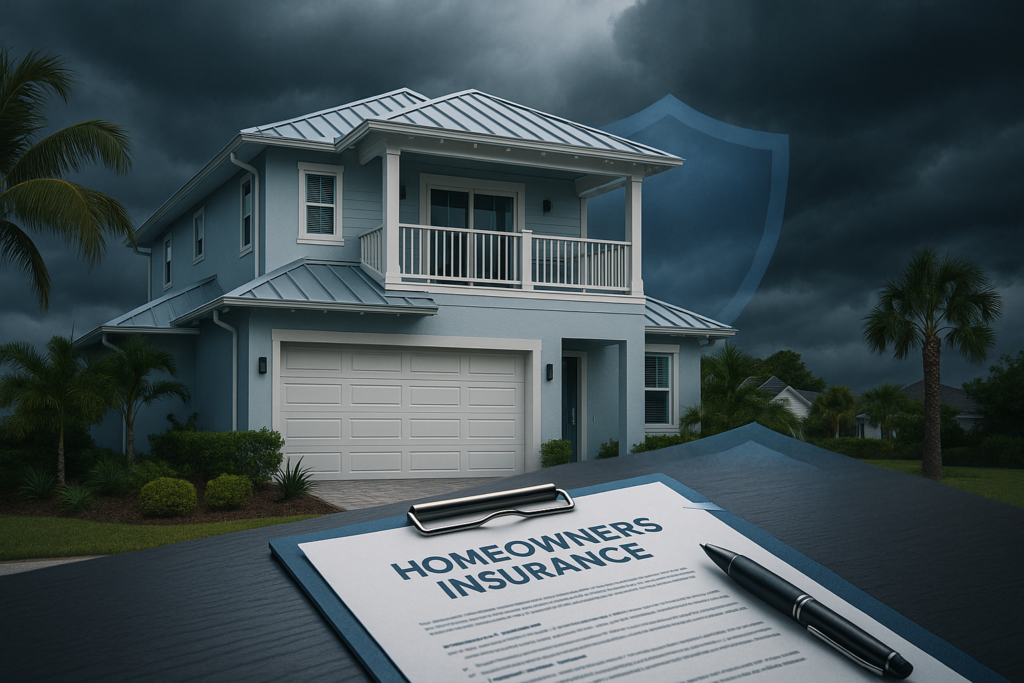

Homeowners insurance costs have been surging. The national average premium crossed roughly $2,300 in 2025 — a 25% jump in just three years. And if you live in Florida, Louisiana, or Texas? Where hurricanes, flooding, and wild weather jack up risk? The increases are even uglier. Some policies have flat-out doubled.
Need the broader insurance hub? The Homeowners Insurance Guide pulls together coverage, claims, flood risk, and Florida-specific cost issues.
The knee-jerk response: find the cheapest policy possible, or crank your deductible to the ceiling. But gutting your coverage to save a few bucks is a bet against your biggest asset. The better approach is trimming what you pay while keeping the protection that actually matters.
Let’s get into it.
1. Shop Around Every Year
Brand loyalty means nothing in insurance. Carriers recalculate pricing constantly — the company that beat everyone three years ago might be 30% more expensive today. Every renewal cycle, pull at least three quotes.
Independent agents are your friend here. They represent multiple carriers and can run comparisons in minutes. Online tools like Policygenius, The Zebra, or Jerry can also surface options that wouldn’t cross your radar otherwise.
One critical rule when comparing: match the coverage, not just the price. A dirt-cheap policy with skimpy dwelling coverage or stacked exclusions isn’t a bargain. It’s a liability.
2. Bundle Your Policies
Carry homeowners and auto with the same insurer and most companies knock 5–25% off your total. Zero changes to your coverage. Just a discount for consolidating.
That’s not nothing.
Some carriers sweeten the deal further — discounts for adding an umbrella policy, boat coverage, or rental property insurance to the bundle.
3. Raise Your Deductible Strategically
Bump your deductible from $1,000 to $2,500 and your premium can drop 10–15%. Push to $5,000? Even bigger savings. But, and this is the part people skip. You need that cash accessible in savings. If disaster hits and you can’t cover the deductible, the savings were an illusion.
Think of it as self-insurance. You’re absorbing small losses in exchange for a cheaper premium. Most homeowners go years without filing a single claim, so the math typically tips in your favor.
4. Improve Your Home’s Risk Profile
Insurers price risk. Make your home look less risky and you pay less. Straightforward. Here’s what moves the needle:
New roof. This is the big one. A fresh roof, especially with impact-resistant materials — can slash your premium significantly. In Florida and other hurricane zones, a roof under 10 years old with solid wind mitigation features can mean 20–40% savings. Often the single largest discount available.
Security systems. Monitored alarms, smart locks, video doorbells, fire and smoke detectors — all good for 5–20% off. Key word: monitored. A self-watched Ring camera might qualify with certain carriers, but professionally monitored systems pull bigger discounts.
Impact windows and doors. In storm-prone regions, hurricane shutters or impact-rated glass can carve a chunk out of your wind premium. Many states actually mandate that insurers offer specific discounts for these upgrades.
Updated systems. Old electrical, plumbing, and HVAC create risk — fires, leaks, failures. Modernize them and your risk profile improves. Some insurers explicitly ask about system ages during the quoting process.
5. Get a Wind Mitigation Inspection
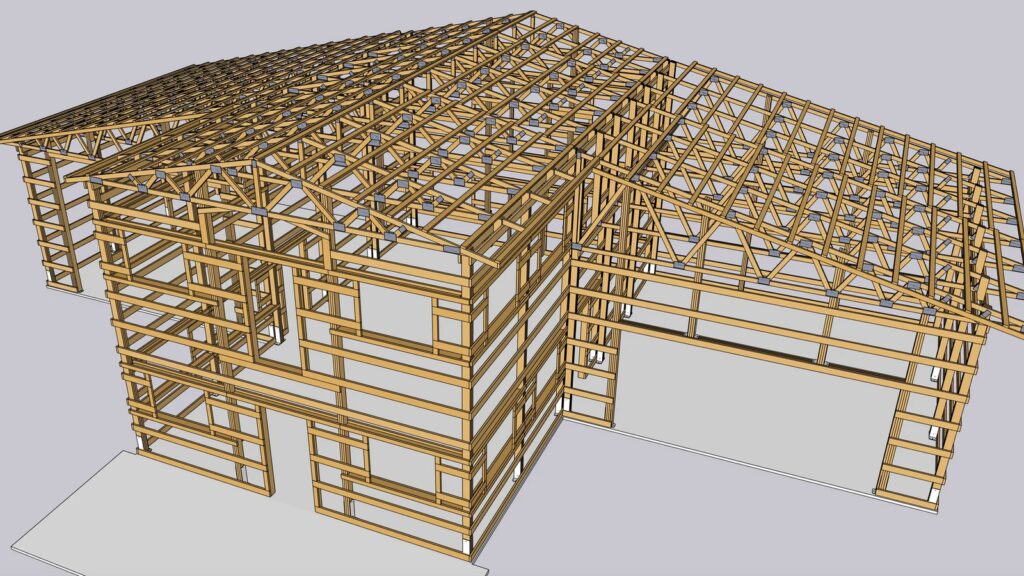
Live in hurricane country — Florida, Texas, Louisiana, the Carolinas? A wind mitigation inspection is one of the smartest $75–$150 you’ll ever spend. The inspector documents your roof shape, roof-to-wall connections, opening protection, and roofing materials.
In Florida specifically, a strong wind mitigation report can cut the wind portion of your premium by 30–50%. Sometimes more. That’s a return on investment that’s hard to beat with any other home expense.
6. Maintain a Claims-Free Record
Filing small claims almost always backfires. You submit a $2,000 claim on a $1,000 deductible — netting $1,000. But the resulting premium hike over the next 3–5 years? Often costs more than you collected. Some carriers also hand out a claims-free discount that vanishes the instant you file.
Insurance exists for catastrophes. Not for minor repairs. Handle the small stuff out of pocket and keep your record clean.
7. Review Your Coverage Annually
What you needed five years ago isn’t necessarily what you need today. That jewelry rider from 2019? Maybe the pieces are gone. The trampoline you hauled to the dump? Tell your agent. It was probably inflating your premium.
But don’t only look for things to cut. Make sure your dwelling coverage reflects current construction costs. Rebuilding in 2026 costs more than rebuilding in 2020. Being underinsured to save a few bucks on premium is a disaster waiting to happen — literally.
8. Ask About Every Available Discount
Carriers offer more discounts than they advertise. Way more. Ask your agent directly about savings for: claims-free history, paying annually instead of monthly, going paperless, being 55+ or retired, owning a newer home, being a non-smoker, having a strong credit score.
You’d be surprised how many apply, and how many your current insurer hasn’t bothered to flip on.
The Bottom Line
Homeowners insurance isn’t optional. Your lender demands it, and skipping it when you own free and clear is reckless. But overpaying? That’s equally unnecessary.
So what happens next?
Shop aggressively. Reduce your risk. Bundle where it makes sense. And ask the questions nobody tells you to ask. The homeowners who get the best coverage at the lowest cost are the ones who treat insurance like every other financial decision — with attention, with comparison, and with the willingness to do a little legwork.
Related: Do You Need Flood Insurance? What Every Homeowner Should Know
See also: Homeowners Insurance Claim Denied? Here’s What to Do Next
Sources reviewed
- Florida Office of Insurance Regulation consumer rate and shopping resources
- National Association of Insurance Commissioners homeowners insurance shopping guidance
- Florida Department of Financial Services consumer insurance help resources
- Insurer discount and mitigation credit references
Keep Reading
- Homeowners Insurance Claim Denied? Here’s What to Do Next
- Do You Need Flood Insurance? What Every Homeowner Should Know
- Wind Mitigation Inspections in Florida: How to Cut Your Insurance Premium in Half
Official resources and reference points
This page is homeowner education, not a property-specific appraisal, legal opinion, tax advice, or lender/carrier instruction. Use these to verify the coverage language, complaint path, and Florida-specific rules before you act on a denial letter, underwriting scare, or policy summary.
Why this article is worth trusting
Caleb Hollis reviewed this page. He reviews homeowner education on home value logic, cost realism, Florida housing questions, and decision quality.
See the reviewer profile and editorial team profile for who does what. OwnerHacks publishes homeowner education, not property-specific appraisal work, legal advice, tax advice, lending advice, or insurance advice.
OwnerHacks updates articles when rules, costs, or homeowner decision factors materially change. If something looks outdated, use our contact page and we will review it.