Remember the pandemic housing circus? Buyers were tossing out inspections like confetti — anything to edge out the competition. Some of those gambles paid off. Many didn’t. We’re talking $30,000 foundation repairs. Hidden mold that took months to fix. Real money, real problems.
That market is gone. Inventory’s up, bidding wars have cooled, and buyers actually have leverage again.
So does it ever make sense to skip the inspection? Let’s break it down.
Why Buyers Waive Inspections
One word: competition. In a seller’s market with multiple offers flying in, fewer contingencies make your bid stand out. Dropping the inspection signals you’re serious. That you won’t bail over some peeling paint or a noisy HVAC unit.
There’s also the cost angle. A standard inspection runs $350 to $500, and when you’re already scraping together every dollar for closing, that stings.
But here’s the thing. Compared to what you’re gambling? It’s pocket change.
What You’re Risking
Skip the inspection and you’re buying the place as-is — every crack, every leak, every surprise buried behind the drywall. Here’s what a decent inspector typically flags:
- Roof damage, a roof replacement runs $8,000 to $20,000+. That’s not a line item you want to discover after closing.
- Foundation issues, repairs start around $5,000. They can blow past $30,000 in a hurry.
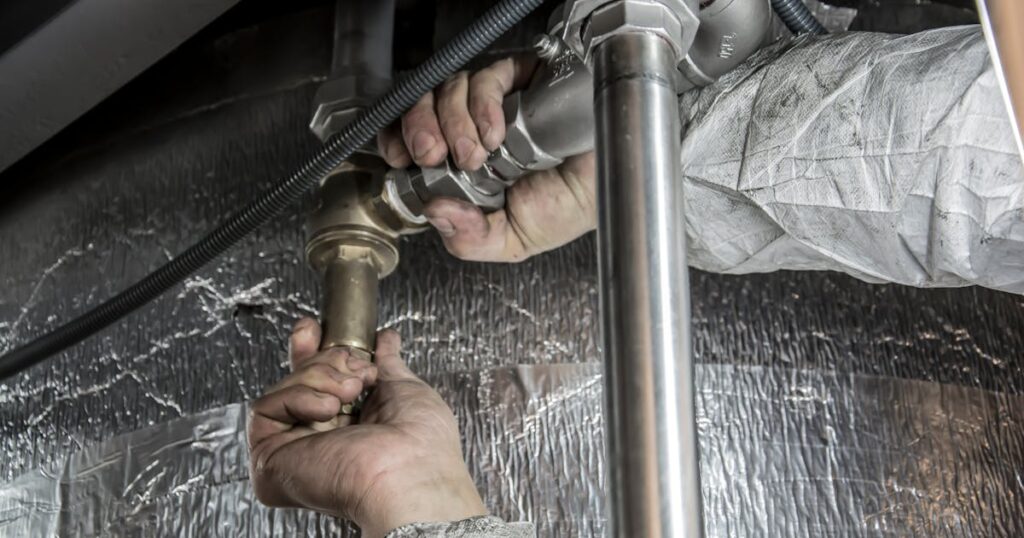
- Plumbing problems, hidden leaks, aging polybutylene pipes, sewer line disasters waiting to happen
- Electrical hazards, outdated wiring, sketchy DIY work, genuine fire risks
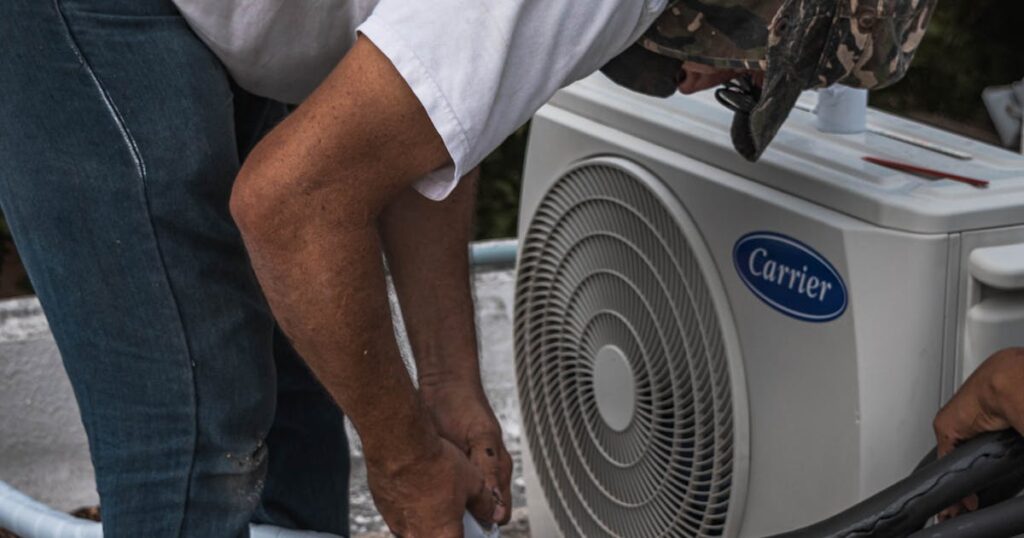
- HVAC on its last legs, replacement costs $5,000 to $12,000, and a dying system won’t wait for your budget to catch up
- Water intrusion, mold remediation alone costs $3,000 to $15,000
- Termite damage, structural repairs from termites can be jaw-droppingly expensive
Think about it. You waive the inspection to “win” a bidding war by $5,000, then inherit a $15,000 problem nobody told you about. That math doesn’t work. Not even close.
The Middle Ground: Inspection for Information Only
Want to stay competitive without flying blind? There’s a middle path. Get the inspection, but agree upfront that you won’t ask for repairs or credits based on what turns up.
This approach gives you a crucial escape hatch, if the inspector finds a cracked foundation or something truly catastrophic, you can still walk away. But the seller knows you’re not going to haggle over every scuff mark. Most sellers will take that deal.
When It Might Be Acceptable to Waive
Look, there are a few narrow cases where skipping might not be crazy:
- New construction backed by a builder warranty
- You’re a seasoned investor who knows what to look for
- The whole place is getting gutted anyway
- It’s priced as a fixer and everyone knows what it is
Even then? Most pros still say get the inspection. And they’re usually right.
In Today’s Market? Don’t Waive It
Inventory is up. The frenzy is over. Sellers aren’t sitting on ten offers anymore, they’re negotiating. Insisting on an inspection won’t tank your deal the way it might have in 2021 or 2022.
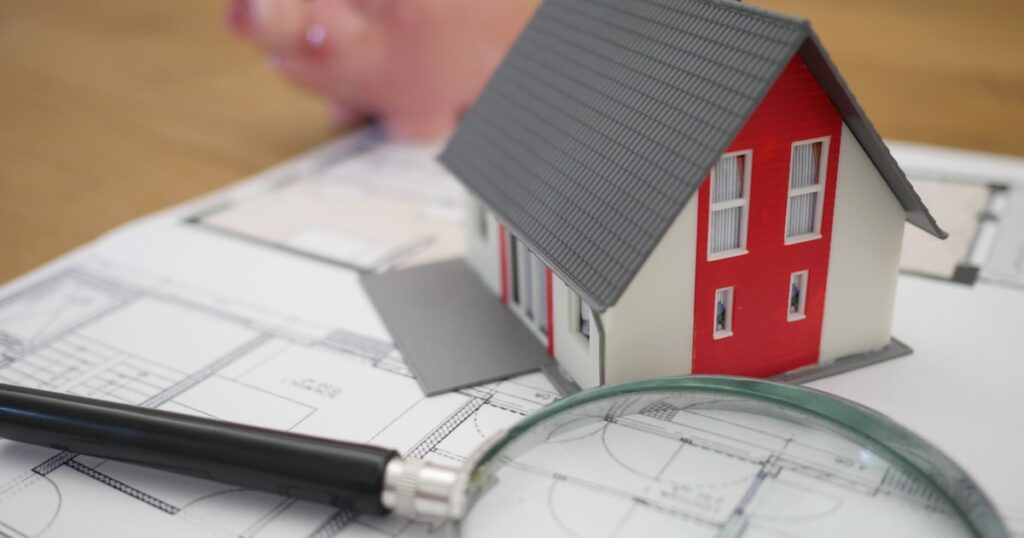
The inspection is your one shot to understand exactly what you’re buying before the ink dries. Use it.
Related: 9 Home Improvements That Are Almost Never Worth the Money
See also: How to Save Money on Homeowners Insurance Without Cutting Coverage
Sources reviewed
- HUD home buying inspection guidance
- Consumer Financial Protection Bureau home buying risk guidance
- American Society of Home Inspectors buyer education resources
- Standard inspection contingency and due diligence contract practices
Keep Reading
- How to Choose a Home Inspector (And Why It Matters More Than You Think)
- How to Prevent Water Damage in Your Home: A Practical Guide
- Why Your Property Taxes Went Up (And What You Can Actually Do About It)
Official resources and reference points
This page is homeowner education, not a property-specific appraisal, legal opinion, tax advice, or lender/carrier instruction. Use these when a project decision affects safety, permits, energy cost, resale, or insurability and you want something sturdier than a contractor sales pitch.
Why this article is worth trusting
Caleb Hollis reviewed this page. He reviews homeowner education on home value logic, cost realism, Florida housing questions, and decision quality.
See the reviewer profile and editorial team profile for who does what. OwnerHacks publishes homeowner education, not property-specific appraisal work, legal advice, tax advice, lending advice, or insurance advice.
OwnerHacks updates articles when rules, costs, or homeowner decision factors materially change. If something looks outdated, use our contact page and we will review it.