If your house exterior is turning green, black, or dingy, your first thought is probably simple: pressure wash it.
Makes sense.
But here’s the catch: your house may not actually need high pressure. In a lot of cases, high pressure is the wrong tool entirely.
That’s where soft washing comes in.
Soft washing uses low pressure plus the right cleaning solution to remove algae, mildew, mold staining, dirt, and grime from exterior surfaces. Instead of blasting the surface clean, it treats the growth and rinses it away gently.
For painted siding, stucco, soffits, trim, and many modern exterior finishes, that matters.
A lot.
What Is Soft Washing?
Soft washing is an exterior cleaning method that uses low-pressure water and surface-appropriate detergents to clean a home’s exterior.
The pressure is usually closer to a garden hose than a traditional pressure washer blast. The cleaning solution does the heavy lifting. The water is mostly there to apply, rinse, and finish the job cleanly.
That’s the whole point.
You’re not trying to beat the dirt off the house. You’re trying to break down the organic growth and rinse it away without damaging the surface underneath.
Tyler Bentz of Bentz Pressure Washing in Fort Lauderdale puts it this way: the right method depends on the surface. Stucco, paint, trim, glass, roof tile, pavers, and concrete all behave differently. Good exterior cleaning is not one-size-fits-all.
And honestly? That’s where homeowners get into trouble.
Pressure Washing vs. Soft Washing: The Big Difference
Pressure washing relies on force.
Soft washing relies on chemistry, dwell time, and controlled rinsing.
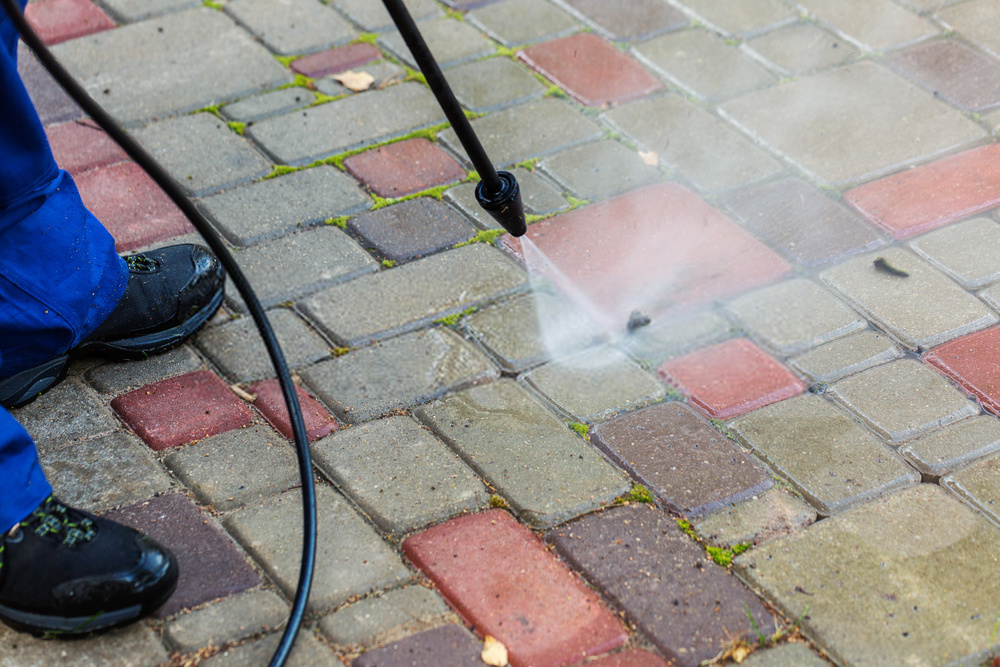
Both have a place. Driveways, sidewalks, and some concrete surfaces can often handle more pressure when done correctly. But the side of your house is different.
Use too much pressure on the wrong surface and you can:
- Etch stucco
- Strip or scar paint
- Force water behind siding or trim
- Damage screens or window seals
- Leave streaks or zebra-striping
- Push water into areas that were never meant to get soaked
That last one is the sleeper problem. Water intrusion is not always obvious the same day. It can show up later as staining, swelling, peeling paint, or hidden moisture problems.
So no, “more power” is not always better.
Why Florida Homes Get Dirty So Fast
Florida is basically a growth chamber for algae and mildew.
Warm weather. High humidity. Frequent rain. Shade from trees. Irrigation overspray. Salt air in coastal areas.
That combination makes exterior staining show up fast, especially on:
- North-facing walls
- Stucco bands and trim
- Soffits and fascia
- Pool-facing elevations
- Areas under trees
- Homes near water
- Surfaces hit by sprinklers
If your house looks clean one season and dirty the next, you’re not imagining it. Florida conditions are rough on exterior finishes.
That’s why routine washing is not just cosmetic. It’s maintenance.
Soft Washing Can Help Protect Paint and Curb Appeal
A dirty house does more than look neglected.
Organic growth can hold moisture against exterior surfaces. Over time, that can shorten the life of paint and make stains harder to remove. Mildew and algae also make a home look older than it really is.
For homeowners thinking about resale, photos, refinancing, insurance inspections, or just keeping the house presentable, exterior cleaning can make a big difference.
It’s one of those maintenance items that can punch above its cost.
You don’t need a full renovation to improve curb appeal. Sometimes the house just needs to be cleaned correctly.
What Should Be Soft Washed?
Soft washing is commonly used on:
- Stucco
- Painted siding
- Vinyl siding
- Hardie board
- Soffits and fascia
- Gutters and exterior trim
- Screen enclosures
- Some roof surfaces
- Delicate architectural details
The key is not just “low pressure.” It’s choosing the right process for the material and the condition.
A shaded stucco wall with mildew staining needs a different approach than a dusty painted wall, a screen enclosure, or a roofline with black streaks.
That’s why a professional should inspect first instead of showing up and spraying everything the same way.
What About Roofs?
Roofs are where soft washing becomes even more important.
Tile and shingle roofs can be damaged by aggressive pressure. High pressure can break tiles, remove granules from shingles, force water where it should not go, or shorten the life of the roof surface.
Those black roof streaks homeowners see in humid climates are usually organic growth, not just dirt sitting on top. Soft washing is designed to treat that growth instead of just blasting the surface.
If someone wants to pressure wash your roof like it’s a driveway, be careful.
That’s a red flag.
How Often Should You Soft Wash a House?
In Florida, many homes benefit from exterior house washing about once a year.
Some homes can go longer. Others need it more often.
It depends on:
- Shade
- Tree coverage
- Coastal exposure
- Irrigation overspray
- Roof runoff
- Paint condition
- HOA standards
- How much algae or mildew is present
A home under heavy tree cover may need cleaning sooner than a sunny home with good airflow. A waterfront property may have different buildup than an inland one. There is no perfect universal schedule.
But waiting until the house looks really bad usually makes the job harder.
Signs Your House Needs Soft Washing
Look for:
- Green film on siding or stucco
- Black spotting or streaking
- Dirty soffits or fascia
- Mildew around windows
- Staining near gutters
- Dingy paint that looks older than it is
- Slippery buildup near shaded walkways or pool areas
- HOA letters about exterior maintenance
If you see these, don’t automatically reach for the highest-pressure machine you can rent.
Start with the surface. Then choose the method.
Can Homeowners Do It Themselves?
Sometimes, yes.
A homeowner can rinse light dirt, clean small areas, or use store-bought exterior cleaners carefully. But whole-house washing is different. Chemicals, landscaping, runoff, ladders, rooflines, windows, paint, and water intrusion all matter.
The biggest DIY mistake is using too much pressure too close to the surface.
It feels effective in the moment. Then you notice lines in the stucco, damaged trim, water behind fixtures, or paint that looks rough afterward.
Not worth it.
If the home has heavy growth, delicate finishes, a tile roof, multiple stories, or expensive landscaping, hiring a professional is usually the smarter move.
What to Ask Before Hiring a House Washing Company
Before hiring someone, ask:
- Do you use soft washing on house exteriors?
- Are you licensed and insured?
- How do you protect plants and landscaping?
- What surfaces will be cleaned with low pressure?
- Do you inspect before choosing the cleaning method?
- Do you clean soffits, fascia, gutters, and trim?
- What happens if there is heavy staining?
- Do you have recent reviews or before-and-after examples?
The answers matter.
A good exterior cleaning company should talk about surface type, pressure level, detergents, plant protection, and runoff. If the pitch is just “we blast everything clean,” keep looking.
The Bottom Line
Soft washing is often the safer, smarter way to clean a home’s exterior.
Pressure has its place. Concrete and hard surfaces may need more force. But for the house itself, especially stucco, painted surfaces, trim, and rooflines, low pressure with the right cleaning process is usually the better call.
Clean matters.
But clean without damage matters more.
Keep Reading
- 10 Curb Appeal Upgrades That Actually Increase Your Home’s Value
- The Best Renovations for Home Value
- Home Maintenance Tasks That Can Save You Money Later
Official resources and reference points
This page is homeowner education, not a property-specific appraisal, legal opinion, tax advice, or lender/carrier instruction. Use these when a project decision affects safety, permits, energy cost, resale, or insurability and you want something sturdier than a contractor sales pitch.
Why this article is worth trusting
OwnerHacks Editorial Team reviewed this page. Reviewed under the OwnerHacks editorial policy for clarity, usefulness, and fit.
See the reviewer profile and editorial team profile for who does what. OwnerHacks publishes homeowner education, not property-specific appraisal work, legal advice, tax advice, lending advice, or insurance advice.
OwnerHacks updates articles when rules, costs, or homeowner decision factors materially change. If something looks outdated, use our contact page and we will review it.