
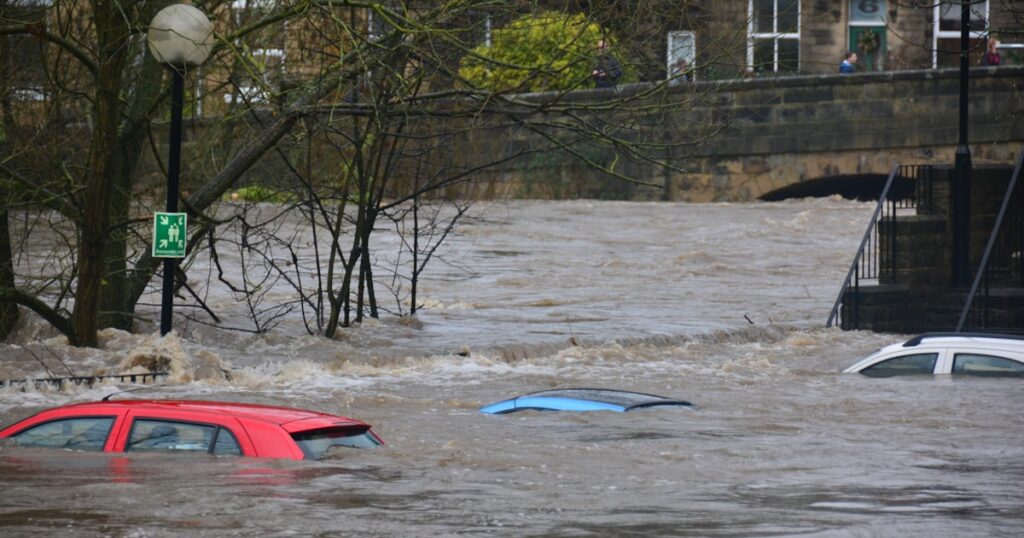
Here’s a fact that surprises most homeowners: your homeowners insurance policy does not cover flood damage. Not from hurricanes. Not from heavy rain. Not from a river overflowing its banks. Flooding is specifically excluded from standard homeowners policies, and it has been for decades.
If your home floods and you don’t have a separate flood insurance policy, you’re paying for the damage out of pocket. For most families, that means financial devastation — the average flood claim is over $50,000, and even a few inches of water can cause $25,000 or more in damage to a home.
Here’s what you need to know to make a smart decision about flood insurance.
Who Needs Flood Insurance
If your mortgage lender requires it, you don’t have a choice. Homes in FEMA-designated high-risk flood zones (zones starting with A or V) are required to carry flood insurance if the mortgage is backed by a federally regulated lender — which covers nearly all conventional, FHA, and VA loans. No flood insurance, no loan.
If you’re not in a high-risk zone, you still might need it. According to FEMA, more than 40% of flood claims come from properties outside high-risk flood zones. Floods don’t check zone maps. A heavy rainstorm, a clogged storm drain, or a neighbor’s grading issue can send water into your home regardless of what FEMA’s map says.
If you live in a low-to-moderate risk zone (Zone B, C, or X), flood insurance is optional — but that doesn’t mean it’s unnecessary. It just means the decision is yours.
What Flood Insurance Covers
A standard flood insurance policy through the National Flood Insurance Program (NFIP) covers two things: the building itself and your personal property inside it. These are separate coverages with separate limits.
Building coverage (up to $250,000 for residential properties) pays to repair or rebuild the structure, including the foundation, electrical and plumbing systems, HVAC equipment, appliances like refrigerators and stoves, permanently installed carpeting, and window blinds. It also covers detached garages up to 10% of the building coverage amount.
Contents coverage (up to $100,000) pays for your personal belongings — furniture, electronics, clothing, and portable appliances. It does not cover cash, precious metals, or items stored in a basement (with limited exceptions for essential equipment like washers, dryers, and freezers).
Important: NFIP policies do not cover living expenses if you’re displaced from your home during repairs. Some private flood insurance policies do include this coverage, so it’s worth comparing options.
What Flood Insurance Costs
The average NFIP flood insurance premium nationwide is about $800-$900 per year as of 2026, but costs vary enormously based on your specific risk profile. Under FEMA’s Risk Rating 2.0 system (implemented in recent years), premiums are now calculated based on your property’s individual flood risk rather than just which zone it’s in.
Factors that affect your premium include distance to a water source, property elevation, the type of flooding your area is prone to, the cost to rebuild your home, and your chosen deductible and coverage amounts.
In low-risk zones, flood insurance can be surprisingly affordable — sometimes as low as $300-$500 per year for a Preferred Risk Policy. In high-risk zones, premiums can run $1,500-$3,000 or more annually.
Private flood insurance is also available from companies like Neptune, Wright Flood, and others. These policies sometimes offer better rates, higher coverage limits, and additional coverages (like loss of use) that the NFIP doesn’t provide. Always compare both options.
The 30-Day Waiting Period
This catches people every hurricane season: NFIP flood insurance has a 30-day waiting period from the date of purchase before coverage takes effect. You cannot buy a flood policy when a storm is approaching and expect it to cover damage from that storm.
There are two exceptions to the 30-day waiting period: when you’re buying flood insurance as part of a new home purchase (coverage can start at closing), and when you’re increasing coverage due to a map change (coverage starts immediately on the additional amount).
The message is clear: buy flood insurance before you need it. By the time you know you need it, it’s too late.
How to Check Your Flood Risk
Start with FEMA’s Flood Map Service Center at msc.fema.gov. Enter your address and you’ll see which flood zone your property is in and whether you’re in a Special Flood Hazard Area (SFHA).
Keep in mind that FEMA maps are updated periodically, and some areas may be due for remapping. Your current zone designation might not reflect recent development, changes in drainage, or updated rainfall data. If you’re near the boundary of a high-risk zone, pay extra attention — one map update could change your status and your insurance requirements.
Your local floodplain manager (usually through your city or county planning department) can also provide information about flood history and risk in your specific neighborhood.
Filing a Flood Insurance Claim
If your home floods, document everything before you start cleanup. Take photos and video of all damage, including water lines on walls, damaged belongings, and affected areas. Then contact your insurance agent as soon as possible to file a claim.
An adjuster will be assigned to inspect the damage, usually within a few days to a couple of weeks depending on the scale of the event. Keep receipts for any emergency repairs you make to prevent further damage — these costs are typically covered.
NFIP claims are paid directly by the program, not your insurance company (even though you buy the policy through a private insurer). Average processing time is 30-60 days for straightforward claims, though major disaster events can take longer.
The Bottom Line
Flood insurance is one of those expenses that feels unnecessary right up until the moment it saves you from financial ruin. If you’re in a high-risk zone, it’s required. If you’re not, it’s still worth serious consideration — especially if you’re anywhere near water, in a low-lying area, or in a region prone to heavy rainfall.
At $300-$900 per year for most homeowners, it’s a fraction of what a single flood event would cost you out of pocket. And with the 30-day waiting period, the time to buy is before storm season — not during it.
Related: How to Save Money on Homeowners Insurance Without Cutting Coverage
See also: How to Prevent Water Damage in Your Home